samsung wa40a3005aw manual

Samsung WA40A3005AW Manual: A Comprehensive Guide

This comprehensive guide provides detailed instructions for the Samsung WA40A3005AW top load washer, offering access to user manuals, quick start guides, and support resources.

Find solutions, tips, and downloadable manuals for various regions, including Latin America and the Caribbean, ensuring optimal performance and longevity of your appliance.

The Samsung WA40A3005AW is a 4.0 cubic foot top load washing machine designed for efficient and reliable laundry care. This manual serves as a complete resource, guiding users through every aspect of operation, maintenance, and troubleshooting. Whether you’ve recently purchased this model or are seeking clarification on specific features, this guide will prove invaluable.

Access to the user manual is readily available online, categorized under washing machines, and currently boasts an average rating from five users. Sears Parts Direct also provides access to manuals and diagrams, supporting repair projects and ensuring long-term usability. This washer caters to users in diverse regions, with dedicated support available through Samsung’s Latin American and Caribbean support portals.

Understanding this manual will empower you to maximize the WA40A3005AW’s capabilities and maintain its performance for years to come. It’s a crucial step towards hassle-free laundry days!

Key Features and Specifications

The Samsung WA40A3005AW boasts a 4.0 cubic foot capacity, providing ample space for various laundry loads. While detailed specifications aren’t explicitly listed in the readily available online resources, the user manual – accessible through Samsung’s support channels and retailers like Sears Parts Direct – comprehensively outlines all technical details.

Key features likely include multiple wash cycles tailored to different fabric types and soil levels. Expect options for water temperature control and potentially, features designed to optimize water and energy usage. The washer’s design prioritizes user-friendliness, as evidenced by the availability of quick start guides alongside the full user manual.

Regional support sites, covering Latin America and the Caribbean, suggest a broad distribution and commitment to customer assistance. Further specifics regarding spin speeds, energy efficiency ratings, and dimensions are detailed within the official documentation.

Understanding the Control Panel

The WA40A3005AW’s control panel allows for easy cycle selection, temperature adjustments, and utilizing various option buttons, as detailed in the user manual.

Power and Cycle Selection

The power button initiates all washing operations on your Samsung WA40A3005AW. Once powered on, the control panel illuminates, presenting a range of pre-programmed wash cycles designed for diverse fabric types and soil levels.

These cycles, thoroughly explained within the user manual, include options like Normal, Heavy Duty, Delicates, Quick Wash, and Bulky/Bedding. Selecting the appropriate cycle is crucial for optimal cleaning and fabric care. The manual details each cycle’s specific wash and rinse parameters.

Carefully review the manual to understand which cycle best suits your laundry load. Improper cycle selection can lead to damaged clothing or ineffective cleaning. The user guide provides clear instructions on navigating these options for consistently excellent results.

Temperature Control Settings

The Samsung WA40A3005AW offers a variety of water temperature settings to accommodate different fabric types and cleaning needs. The user manual details how to adjust these settings via the control panel, typically including options for Hot, Warm, and Cold washes.

Hot water is ideal for heavily soiled items and whites, providing maximum cleaning power, while warm water is suitable for most everyday laundry. Cold water is recommended for delicate fabrics and colors to prevent fading and shrinking.

Consult the garment care labels and the washer’s manual for guidance. Incorrect temperature selection can damage clothing. The manual emphasizes the importance of choosing the appropriate temperature for each load, ensuring optimal cleaning and fabric preservation.

Option Buttons and Indicators

The Samsung WA40A3005AW control panel features several option buttons and indicators that enhance the washing process. The user manual explains each function, including options like “Delay Start,” allowing you to schedule washes for convenience, and “Extra Rinse,” for added detergent removal.

Indicators illuminate to show the selected cycle status, water temperature, and any activated options. Understanding these indicators is crucial for monitoring the wash cycle’s progress. The manual details what each light signifies, preventing confusion.

Additional options may include soil level selection and spin speed adjustments. Refer to the manual for a complete overview of all available options and their corresponding indicators, ensuring optimal use of your washing machine.

Operating Instructions

Follow the manual for proper loading, detergent use, and cycle initiation with your WA40A3005AW. Ensure safe and effective laundry results every time.

Loading and Unloading Laundry

Before loading, always ensure the washer drum is empty of any foreign objects. Distribute laundry evenly around the agitator to maintain balance during the wash cycle; avoid overloading, as this can reduce cleaning effectiveness and potentially damage the machine.

For optimal results, do not pack items tightly. Leave sufficient space for clothes to move freely within the drum. When unloading, carefully remove items, checking for any small objects that may have become trapped.

Refer to the user manual for specific load capacity guidelines based on fabric type and soil level. Proper loading techniques contribute to efficient washing and prolong the life of your Samsung WA40A3005AW washer, ensuring consistently clean laundry.

Always check pockets for items before loading!

Detergent Dispenser Guide

The Samsung WA40A3005AW features a detergent dispenser designed for efficient and convenient use. Locate the dispenser drawer, typically found on the top of the washer. It’s usually divided into compartments for pre-wash detergent, main wash detergent, and fabric softener.

Always follow the detergent manufacturer’s instructions regarding the appropriate amount to use. Overusing detergent can lead to residue buildup and reduced cleaning performance. Fill each compartment to the indicated maximum fill line.

For liquid detergents, pour directly into the designated compartment. Powdered detergents should be added to the appropriate compartment as well. Ensure the dispenser drawer closes securely after adding detergent to prevent premature release during the wash cycle. Consult your user manual for detailed diagrams.

Starting a Wash Cycle

Before initiating a wash cycle on your Samsung WA40A3005AW, ensure the lid is securely closed – the washer won’t start otherwise. Select your desired wash cycle using the control panel, considering the fabric type and soil level. Adjust the water temperature and any additional options like spin speed as needed.

Once settings are confirmed, press the ‘Start’ button. The washer will automatically fill with water, agitate, rinse, and spin to complete the cycle. A progress indicator will display the remaining time.

Avoid interrupting a cycle mid-wash unless absolutely necessary. If you need to add or remove items, pause the cycle using the ‘Pause’ button, wait for the drum to stop, and then proceed with caution. Always remember to close the lid securely to resume operation.

Maintenance and Cleaning

Regular maintenance ensures optimal performance of your Samsung WA40A3005AW. This includes cleaning the drum, detergent dispenser, and filters to prevent buildup and odors.

Cleaning the Washer Drum

Maintaining a clean washer drum is crucial for preventing mold, mildew, and unpleasant odors in your Samsung WA40A3005AW. Regularly cleaning the drum ensures optimal washing performance and extends the lifespan of your appliance. It is recommended to perform a drum clean cycle monthly, or more frequently if you notice any residue or smells.

To initiate the drum clean cycle, ensure the washer is empty. Add a washing machine cleaner specifically designed for top-load washers, following the manufacturer’s instructions on the packaging. Select the ‘Drum Clean’ cycle on the control panel and press ‘Start’.
Alternatively, you can use a cup of white vinegar added directly to the drum and run a hot water cycle. After the cycle completes, leave the washer door ajar to allow the drum to air dry completely, preventing moisture buildup and further growth of mold or mildew.

Cleaning the Detergent Dispenser

Regularly cleaning the detergent dispenser in your Samsung WA40A3005AW is essential to prevent clogs and ensure proper detergent distribution during wash cycles. Detergent and fabric softener buildup can hinder performance and lead to residue on your clothes. It’s recommended to clean the dispenser every month, or more often if you use liquid detergents or fabric softeners frequently.

To clean the dispenser, carefully remove it from the washer by pressing the release button or latch, as indicated in your user manual. Rinse each compartment thoroughly under warm running water, using a soft brush or cloth to remove any lingering residue.

For stubborn buildup, soak the dispenser in warm water with a mild detergent for about 30 minutes before rinsing. Ensure all compartments are completely dry before reinserting them into the washer. Proper cleaning maintains optimal dispenser function.

Filter Cleaning Procedures

Maintaining a clean filter is crucial for the Samsung WA40A3005AW washer’s performance, preventing drainage issues and ensuring efficient operation. The filter traps lint, debris, and small objects that could clog the drain pump. Regular cleaning, ideally every three months, prevents these problems.

To access the filter, locate the filter access panel, typically at the front bottom of the washer. Have a towel and shallow container ready to catch any residual water. Carefully open the panel and unscrew the filter cap, turning it counterclockwise.

Remove the filter and clean it thoroughly under running water, removing all lint and debris. Inspect the filter for any damage and replace it if necessary. Reinstall the filter, ensuring it’s securely tightened, and close the access panel.

Troubleshooting Common Issues

Addressing common problems with your Samsung WA40A3005AW, this section details solutions for issues like the washer not starting or water failing to drain effectively.

Washer Not Starting

If your Samsung WA40A3005AW washer fails to start, several potential causes should be investigated. First, ensure the power cord is securely plugged into a functioning electrical outlet. Test the outlet with another appliance to confirm power delivery.

Next, verify the lid switch is properly engaged; the washer won’t operate if it doesn’t detect a closed lid for safety reasons. A faulty lid switch may require replacement. Check the control panel settings – confirm a wash cycle has been selected and the ‘Start’ button has been pressed.

Consider if a door lock error is indicated, preventing operation. Examine the water supply hoses; insufficient water pressure can sometimes prevent the cycle from initiating. Finally, consult the error code display (if any) as it provides specific diagnostic information, guiding you towards the root cause and potential solutions.

Water Not Draining

If your Samsung WA40A3005AW washer isn’t draining, begin by checking the drain hose for kinks or obstructions. Ensure the hose isn’t bent or crushed, restricting water flow. Verify the drain hose is properly inserted into the standpipe and isn’t pushed in too far, which can cause siphoning issues.

A clogged drain pump filter is a common culprit. Locate and carefully clean the filter, removing any lint, debris, or small objects. Inspect the drain pump itself for blockages or damage; a malfunctioning pump may require replacement.

Consider a potential blockage in the drainpipe connected to your home’s plumbing. Check for error codes displayed on the control panel, as these can pinpoint the source of the problem. If issues persist, professional assistance may be needed to diagnose and resolve more complex drainage problems.

Error Codes and Their Meanings

The Samsung WA40A3005AW washer utilizes error codes to communicate potential issues. While specific codes aren’t widely detailed in readily available resources, understanding the general principle is crucial. Error codes typically appear on the control panel display, signaling a malfunction requiring attention.

Common issues indicated by error codes can range from water supply problems (like insufficient water pressure) to drainage issues (a blocked drain pump or hose). Other codes may relate to unbalanced loads, door lock malfunctions, or internal component failures.

Consult the full user manual (available for download online) for a comprehensive list of error codes specific to the WA40A3005AW model. Record the exact code displayed when contacting Samsung support or a qualified technician for assistance, as this will expedite the diagnostic process and ensure a swift resolution.

Safety Information and Warnings

Prioritize safety by adhering to crucial precautions outlined in the Samsung WA40A3005AW manual, including proper grounding and avoiding hazardous misuse of the appliance.

Important Safety Precautions

Before operating your Samsung WA40A3005AW washer, carefully review all safety instructions detailed within the user manual to minimize risks of fire, electric shock, or personal injury. Always ensure the appliance is properly grounded, following the grounding instructions provided, to prevent electrical hazards.

Never attempt to repair the washer yourself; contact qualified service personnel for any maintenance or repairs. Do not wash items that have been cleaned with flammable liquids, as they may create a fire hazard. Keep children and pets away from the washer during operation, and never allow them to play with the controls.

Disconnect the power supply before cleaning or performing any maintenance. Avoid overloading the washer, as this can cause damage and affect performance. Regularly inspect the power cord for damage and replace it if necessary. Following these precautions will ensure safe and reliable operation of your Samsung WA40A3005AW washing machine.

Grounding Instructions

Proper grounding of your Samsung WA40A3005AW washer is essential for safety, minimizing the risk of electric shock and preventing damage to the appliance. This washer must be grounded while in operation. The power cord includes a grounding wire with an insulation sleeve covering a copper wire.

Plug the cord into a properly grounded outlet. If a grounding outlet is unavailable, consult a qualified electrician to install one. Never remove or alter the grounding prong on the plug. Using extension cords is discouraged; if absolutely necessary, use a heavy-duty extension cord rated for the washer’s amperage.

Ensure the outlet is compatible with the plug’s grounding configuration. Incorrect grounding can render the safety features ineffective. Regularly verify the grounding connection to maintain optimal safety. Following these instructions diligently will safeguard against electrical hazards and ensure reliable washer performance.

Warranty Information

Samsung provides a limited warranty for the WA40A3005AW washer, offering peace of mind against manufacturing defects in materials and workmanship. The standard warranty period typically covers one year for parts and labor, commencing from the original purchase date. However, specific warranty terms and durations may vary based on your region and retailer.

The warranty covers defects arising from normal household use. Damage resulting from misuse, improper installation, or unauthorized repairs is not covered. To initiate a warranty claim, retain your proof of purchase and contact Samsung customer support.

Detailed warranty information, including exclusions and claim procedures, is available in the accompanying warranty card or on the Samsung website. Registering your appliance online can streamline the warranty process. Always refer to the official warranty documentation for complete details.


metal hellsinger trophy guide

Metal: Hellsinger Trophy Guide ‒ Comprehensive Plan (12/18/2025 14:43:26)

This comprehensive guide details all 29 Metal: Hellsinger trophies, encompassing bronze, silver, gold, and the coveted platinum, Ascension.

Embark on a rhythmic journey through Hell, unlocking 29 challenging trophies! Metal: Hellsinger’s trophy list blends skill, precision, and a love for heavy metal music.

Overview of Trophy Difficulty

The Metal: Hellsinger trophy list presents a moderate to high difficulty curve, largely due to the game’s rhythm-based combat and demanding challenges. Most trophies are achievable with practice and a solid understanding of the game’s mechanics, but several require significant skill and dedication.

Specifically, trophies like “Torment Master” (completing all Torments with a 3-skull rating) and “Doomsday Machine” (completing the game on Archdevil difficulty) are considered the most challenging. Maintaining hit streaks for “The Empress” and consistently performing well on Archdevil demand precision and mastery. However, the good news is that every trophy can be unlocked on any difficulty setting, offering flexibility for players.

Bronze and silver trophies are generally straightforward, focusing on core gameplay elements. Overall, expect around 30-50 hours for a complete platinum run, depending on skill level and familiarity with the rhythm-action genre.

Trophy List Breakdown (Total: 29)

The Metal: Hellsinger trophy list comprises a total of 29 achievements, categorized into four tiers of rarity and difficulty. Players can anticipate earning 11 Bronze trophies, primarily for introductory milestones and basic gameplay actions, such as defeating the first enemy (“Metal Head”) or completing the initial Hell level (“The Ride”).

Following these are 11 Silver trophies, demanding more consistent performance and skill, like achieving multi-kills (“Kill Your Demons”) or maintaining perfect rhythm (“Not Shaken, Nor Stirred”). The list also includes 6 Gold trophies, representing significant accomplishments, including boss rush completion (“Iron Maiden”) and Archdevil difficulty mastery (“Doomsday Machine”).

Finally, the ultimate challenge, the Platinum trophy “Ascension,” is awarded upon unlocking all other trophies, signifying complete mastery of Metal: Hellsinger’s hellish rhythm-action gameplay.

Difficulty Settings and Trophy Availability

Fortunately for players, every single trophy within Metal: Hellsinger is attainable across all difficulty settings. This accessibility means you aren’t forced to endure the brutal Archdevil difficulty for every achievement, offering flexibility in your trophy hunting journey. However, embracing higher difficulties will undoubtedly streamline the process for certain trophies, particularly those tied to combat prowess and efficiency.

The Archdevil difficulty, unlocked after a story completion, presents the ultimate test. While not required for all trophies, conquering it is essential for achievements like “Doomsday Machine” and “Hellscaper”. Players can strategically choose their difficulty based on individual skill and trophy requirements, making the experience more enjoyable.

Platinum Trophy ‒ “Ascension”

Unlocking the Ascension platinum trophy demands dedication, requiring completion of all other trophies within Metal: Hellsinger, a true test of skill!

Requirements for Platinum Trophy

Achieving the platinum trophy, “Ascension,” in Metal: Hellsinger is a significant undertaking, demanding complete mastery of the game’s challenging content. This isn’t a trophy earned through shortcuts; it necessitates unlocking every other trophy available within the experience. This includes conquering all 21 Torments with a perfect 3-skull rating, demonstrating exceptional skill and rhythmic precision.

Players must also excel in combat, achieving high hit streaks, eliminating Seraphs, and completing the demanding Boss Rush mode. Furthermore, finishing the entire game on Archdevil difficulty—unlocked after the initial story completion—is crucial. Essentially, the platinum represents a full commitment to Metal: Hellsinger, showcasing proficiency in all its core gameplay elements and a willingness to push your limits.

Estimated Time to Platinum

The estimated time to achieve the platinum trophy in Metal: Hellsinger varies significantly based on player skill and familiarity with rhythm-action games. However, most players can anticipate dedicating between 25 to 40 hours to unlock “Ascension.” A substantial portion of this time will be spent mastering the Torments, aiming for the required 3-skull rating on each of the 21 challenges.

Archdevil difficulty completion also adds considerable time, demanding strategic approaches and precise execution. Furthermore, consistent hit streak achievements and boss rush mastery require practice and dedication. Players new to the genre may find the platinum taking closer to 40+ hours, while experienced rhythm game enthusiasts could potentially achieve it in around 25-30 hours.

Gold Trophies ‒ Achieving Mastery

These six gold trophies represent significant challenges, demanding exceptional skill in completing Torments, boss rushes, and mastering Archdevil difficulty.

“Torment Master” ‒ Completing All Torments

Unlocking the “Torment Master” trophy requires dedicated effort, as you must complete all 21 Torments available within Metal: Hellsinger. These optional challenges significantly increase the game’s difficulty and demand precise rhythm-based shooting. Crucially, achieving a 3-skull rating – representing the highest possible score – is mandatory for each Torment to unlock this gold trophy.

Players should focus on maximizing their damage output while maintaining a perfect beat to earn the necessary score. Utilizing weapon upgrades and mastering the game’s mechanics are highly recommended. Remember that consistent performance and strategic planning are key to conquering each Torment and ultimately earning this prestigious achievement. Prepare for a true test of your hellsinging prowess!

“The Empress” ‒ Hit Streak Challenge

The “Empress” trophy presents a demanding, yet achievable, challenge: eliminate 25 enemies while maintaining an unbroken Hit Streak in Metal: Hellsinger. This requires consistent, rhythmically-perfect shooting, aligning your attacks precisely with the beat of the heavy metal soundtrack. Losing your Hit Streak resets the counter, demanding focus and precision throughout the encounter.

Strategic enemy engagement is vital; prioritize targets and utilize weapons that facilitate rapid, rhythmic firing. Mastering the game’s movement and aiming mechanics will significantly improve your chances of success. This trophy is considered “Very Rare” by some players, indicating its difficulty, but with practice and dedication, you can become the Empress of the battlefield!

“Raining Blood” ‒ Seraph Elimination

The “Raining Blood” trophy tasks players with a formidable feat: successfully eliminate two Seraphs within Metal: Hellsinger. These angelic adversaries are among the game’s most challenging encounters, demanding skillful dodging, precise aiming, and a deep understanding of their attack patterns. Seraphs appear during specific levels and require focused effort to defeat.

Prioritize learning their telegraphs and exploiting openings in their defenses. Utilizing powerful weapons and maximizing your damage output are crucial for a swift victory. This trophy is categorized as “Uncommon,” suggesting a moderate level of difficulty. Prepare for intense battles and embrace the rhythm to conquer these celestial foes and earn your “Raining Blood” reward!

“Iron Maiden” ౼ Boss Rush Completion

Achieving the “Iron Maiden” trophy in Metal: Hellsinger requires conquering the challenging Boss Rush mode. This demanding gauntlet pits players against a relentless succession of the game’s formidable bosses, testing their skills and endurance to the absolute limit. Strategic weapon choices, mastery of movement, and consistent rhythm-based shooting are paramount for success.

Expect intense, prolonged battles demanding unwavering focus and adaptability. Understanding each boss’s unique attack patterns and vulnerabilities is essential. This trophy is considered a significant accomplishment, reflecting a high level of player proficiency. Prepare for a grueling test of skill and determination to claim the “Iron Maiden” title!

“Doomsday Machine” ‒ Archdevil Difficulty Completion

The “Doomsday Machine” trophy signifies complete mastery of Metal: Hellsinger by finishing the entire campaign on Archdevil difficulty. This is the game’s highest difficulty setting, presenting a substantial increase in enemy aggression, damage output, and overall challenge. Players must demonstrate exceptional skill, strategic thinking, and precise execution to overcome this hurdle.

Archdevil difficulty is unlocked after completing the story once on a lower setting. Expect relentless pressure and unforgiving encounters. Mastering the rhythm-based combat system is crucial, alongside optimizing weapon loadouts and utilizing every available advantage. This trophy represents a true test of skill and dedication for any Metal: Hellsinger player.

“Hellscaper” ‒ Level Completion on Archdevil

Achieving the “Hellscaper” trophy demands successfully completing any single level within Metal: Hellsinger while playing on the notoriously difficult Archdevil setting. Unlike “Doomsday Machine,” which requires a full campaign run, this trophy offers a focused challenge for players wanting to prove their prowess on the highest difficulty.

Successfully navigating a level on Archdevil necessitates impeccable timing, consistent hit streaks, and effective use of both weapons and ults. Expect significantly increased enemy health, damage, and aggressive behavior. Strategic use of dashes and careful positioning are paramount. This trophy serves as a stepping stone towards the “Doomsday Machine” achievement, demonstrating proficiency in Archdevil gameplay.

Silver & Bronze Trophies ‒ Core Gameplay Achievements

These foundational trophies reward consistent performance, skillful execution, and engagement with Metal: Hellsinger’s core mechanics, offering a delightful progression path.

“Kill Your Demons” ౼ Multi-Kill Achievement

The “Kill Your Demons” trophy is a bronze achievement earned by successfully multi-killing two enemies within a short timeframe. This signifies a basic understanding of the game’s combat flow and encourages aggressive play. It’s relatively straightforward to obtain organically during normal gameplay, especially as enemy encounters frequently involve groups.

Players don’t need to actively farm this trophy; simply engaging in combat and eliminating enemies in quick succession will likely unlock it. Utilizing area-of-effect attacks or strategically positioning yourself to hit multiple demons simultaneously will expedite the process. Remember to maintain a consistent rhythm to maximize your damage output and increase your chances of securing the multi-kill. This trophy serves as an early confidence booster and a stepping stone towards more challenging achievements.

“Not Shaken, Nor Stirred” ‒ Perfect Rhythm Achievement

The “Not Shaken, Nor Stirred” trophy, a silver achievement, demands unwavering precision – completing an entire Hell level without missing a single beat. This is arguably one of the most challenging early-game trophies, requiring players to fully synchronize their actions with the intense, driving soundtrack. Maintaining perfect rhythm isn’t just about timing shots; it’s about movement, dodging, and utilizing abilities in harmony with the music.

Practice and patience are key. Start on lower difficulties to familiarize yourself with the song structures and enemy attack patterns. Focus on feeling the rhythm rather than visually tracking the beat marker. Mastering this trophy unlocks a deeper appreciation for Metal: Hellsinger’s core gameplay loop and significantly boosts your overall score.

“Headbanger” ౼ Consecutive Hits

The “Headbanger” trophy, a bronze reward, challenges players to maintain a relentless assault, achieving 25 consecutive hits without missing. While seemingly straightforward, this requires strategic enemy engagement and skillful aiming, especially as levels become increasingly chaotic. Prioritize weaker enemies initially to build your streak, then transition to more challenging foes once comfortable.

Utilize the dash ability to reposition and maintain momentum, ensuring a constant flow of attacks. Remember that switching targets resets the counter, so focus fire is crucial. Mastering weapon switching and utilizing special attacks can also help extend your hit streak. This trophy encourages aggressive, proactive gameplay, rewarding consistent accuracy and relentless offense.

“Metal Head” ౼ First Enemy Defeated

The “Metal Head” trophy is a simple, introductory bronze achievement awarded for defeating your very first enemy in Metal: Hellsinger. This trophy serves as a gentle onboarding experience, immediately granting players a sense of accomplishment and encouraging further exploration of the game’s combat mechanics. It’s unmissable, as progressing through the initial stages of the first level necessitates engaging and eliminating enemies.

Don’t overthink this one; simply engage any enemy and dispatch them using your chosen weapon. The game provides ample opportunities to achieve this early on. This trophy is a guaranteed early unlock, setting the stage for the more challenging achievements that await. It’s a testament to taking that first step into the hellish rhythm!

“The Ride” ౼ First Hell Level Completed

The “The Ride” trophy, a bronze achievement, is awarded upon successfully completing your first Hell level in Metal: Hellsinger. This signifies a crucial step in the player’s journey, marking the transition from the tutorial phases into the core gameplay loop of rhythmic demon slaying. It’s automatically unlocked by progressing through the story campaign and finishing the initial stage.

Players shouldn’t encounter any difficulty obtaining this trophy, as the first level is designed to introduce the game’s mechanics gradually. Focus on maintaining a consistent rhythm with the music and utilizing the available weapons to overcome the enemy encounters. This achievement unlocks further levels and challenges, paving the way for more complex trophy hunting endeavors.

zline dishwasher manual

Zline Dishwasher Manual: Comprehensive Guide

This comprehensive guide offers detailed Zline dishwasher troubleshooting, repair basics, and error code explanations, ensuring optimal performance and longevity for your appliance.

Explore installation, loading techniques, maintenance schedules, and warranty support for a seamless dishwashing experience with your Zline model.

Zline dishwashers represent a commitment to professional-grade performance and stylish design for the modern kitchen. Known for their robust construction and advanced features, these appliances deliver exceptional cleaning power and reliability.

This manual serves as a complete resource, guiding you through every aspect of your dishwasher’s operation, from initial setup and daily use to troubleshooting and maintenance. Zline prioritizes user experience, and this guide reflects that dedication, ensuring years of efficient and trouble-free service.

Understanding Zline Dishwasher Models

Zline offers a diverse range of dishwasher models, primarily distinguished by size – typically 24-inch and 18-inch widths – and finish options like stainless steel and black matte. Key features vary, including the number of wash cycles, place setting capacity (often exceeding 16), and energy efficiency certifications like Energy Star.

Model variations also include differences in control panel design and advanced functionalities. Understanding your specific model number is crucial for accessing tailored support and ensuring correct operation, as detailed within this manual.

Initial Setup and Installation

Before installation, carefully inspect the dishwasher for any shipping damage. Ensure you have the necessary plumbing and electrical connections readily available, adhering to local codes. Proper leveling is vital for optimal performance; adjust the feet until the unit is stable.

Connect the water supply line and drain hose securely. Electrical connection should be performed by a qualified technician. After installation, run an initial empty cycle to flush the system and verify correct operation before first use.

Control Panel Overview

The Zline dishwasher control panel features intuitive buttons for cycle selection and option settings. Key components include the power button, cycle indicators, and delay start options. Familiarize yourself with the symbols representing each wash cycle – Normal, Heavy, Delicate, and Quick Wash are common choices.

Option settings allow customization of your wash, including heated dry, sanitize, and half-load features. The display provides cycle progress and error code notifications, aiding in troubleshooting and monitoring.

Wash Cycle Selection

Zline dishwashers offer a variety of wash cycles tailored to different cleaning needs. The Normal cycle is ideal for everyday loads, while the Heavy cycle tackles baked-on food residue. Delicate cycles gently clean fragile items like glassware, and Quick Wash provides a faster cleaning option for lightly soiled dishes.

Additional cycles may include Auto, Rinse Only, and Sanitize. Selecting the appropriate cycle ensures optimal cleaning performance and protects your dishware from damage.

Option Settings (Delay Start, Heated Dry, etc.)

Zline dishwashers feature several option settings to customize your wash cycle. Delay Start allows you to schedule the dishwasher to run at a later time, often utilizing off-peak energy rates. Heated Dry enhances drying performance, while the option to disable it conserves energy.

Additional options may include Rinse Aid Dispenser control and a sanitize setting for enhanced hygiene. Experimenting with these settings allows you to optimize cleaning and drying results based on your specific needs.

Loading the Dishwasher Correctly

Proper loading is crucial for optimal cleaning performance with your Zline dishwasher. Avoid overcrowding, ensuring water reaches all surfaces. Face soiled surfaces towards the spray arms. Secure items to prevent movement during the wash cycle.

Larger items should be placed along the sides and back, leaving space for water circulation. Delicate items are best suited for the upper rack. Incorrect loading can lead to poor cleaning and potential damage to your dishes.

Upper Rack Loading Guidelines

The upper rack is designed for smaller, more delicate items like glasses, cups, and plastic containers. Ensure these items are securely placed in the designated slots to prevent shifting during the wash cycle. Avoid overcrowding; allow space between items for water circulation.

Face openings downwards to facilitate proper rinsing and drying. Long utensils should lie flat to prevent them from obstructing the spray arms. Delicate glassware benefits from being positioned away from stronger water jets.

Lower Rack Loading Guidelines

The lower rack is ideal for larger, heavier items such as pots, pans, and plates. Position these items facing the center of the dishwasher for optimal cleaning. Securely load dishes to prevent movement during operation, but avoid blocking the spray arm’s rotation.

Larger plastic items should be placed away from the heating element. Ensure that tall items do not prevent the detergent dispenser from opening. Proper spacing allows water to reach all surfaces effectively, guaranteeing a thorough wash.

Detergent and Rinse Aid Usage

Optimal cleaning relies on using the correct detergent and rinse aid. Powder, gel, or pods are suitable, but always use dishwasher-specific products. Avoid hand soap, as it creates excessive suds. Fill the detergent dispenser before each cycle, adjusting the amount based on soil level.

Rinse aid minimizes water spots and enhances drying. Regularly refill the rinse aid dispenser for consistently sparkling dishes. Follow the manufacturer’s instructions for dosage to prevent residue buildup and ensure peak performance.

Recommended Detergent Types

Zline dishwashers perform best with high-quality detergents specifically formulated for automatic dishwashing machines. Powder, gel, and pacs (pods) are all viable options, catering to different preferences. Consider detergents with enzymes for enhanced stain removal and grease cutting capabilities.

Avoid using hand dish soap, as it generates excessive suds, potentially damaging the appliance. Look for phosphate-free detergents for environmental considerations. Premium brands often deliver superior cleaning results and residue prevention.

Proper Dosage for Optimal Cleaning

Achieving sparkling clean dishes relies on correct detergent dosage. Refer to the detergent packaging for specific recommendations, typically ranging from 1-2 tablespoons for powder or gel, and one pac (pod) per load. Adjust the amount based on water hardness and food soil levels – harder water requires more detergent.

Overdosing can leave residue, while underdosing results in poor cleaning. Utilize the dishwasher’s detergent dispenser to ensure proper distribution during the wash cycle. Always follow the manufacturer’s guidelines for optimal performance.

Common Zline Dishwasher Error Codes

Zline dishwashers utilize error codes to signal malfunctions. Understanding these codes aids in quick troubleshooting. Error Code E1 indicates a water inlet issue – check the water supply and inlet valve. E2 signals a drainage problem; inspect the drain hose and pump for obstructions. E3 points to a sensor malfunction, potentially requiring professional service.

Consult the full error code list in your Zline manual for a comprehensive guide. Ignoring these codes can lead to further damage, so prompt attention is crucial for maintaining optimal performance.

Error Code E1: Water Inlet Issue

Error Code E1 on your Zline dishwasher signifies a problem with the water supply. First, verify the water supply valve is fully open. Next, inspect the inlet hose for kinks or obstructions that restrict water flow. Check the water pressure to ensure it meets the dishwasher’s requirements.

If the issue persists, the water inlet valve itself may be faulty and require replacement. Always disconnect power before inspecting or replacing any components. Refer to the repair basics section for valve replacement guidance.

Error Code E2: Drainage Problem

Error Code E2 indicates a drainage issue within your Zline dishwasher. Initially, confirm the drain hose isn’t kinked, clogged, or improperly installed. Inspect the drain pump for obstructions like food particles or debris. Ensure the air gap (if present) is clear and functioning correctly.

If the problem continues, the drain pump itself may be defective and necessitate replacement; Remember to disconnect power before any inspection or repair work. Consult the repair basics section for drain pump checks.

Error Code E3: Sensor Malfunction

Error Code E3 signals a malfunction with one of the dishwasher’s sensors – typically the turbidity sensor, responsible for water clarity detection. This can disrupt wash cycles and cleaning performance. First, attempt a dishwasher reset by disconnecting power for several minutes.

If the error persists, the sensor itself may be faulty and require replacement. Carefully inspect the sensor and its wiring for any visible damage. Professional assistance is recommended for sensor replacement due to its delicate nature.

Troubleshooting Common Issues

Encountering problems with your Zline dishwasher? Common issues include failure to start, poor cleaning, and leaks. For a dishwasher that won’t start, check the power supply and door latch. Poor cleaning often stems from improper loading, insufficient detergent, or clogged filters.

Leaks can indicate a damaged door seal, loose connections, or a faulty water inlet valve. Refer to the error code section for specific diagnostics. Always disconnect power before attempting any repairs.

Dishwasher Not Starting

If your Zline dishwasher fails to start, first verify the power supply – check the circuit breaker and ensure the appliance is plugged in securely. Next, examine the door latch; it must be firmly closed for operation. A faulty door latch switch could prevent startup.

Also, investigate the control panel for any locked or inactive settings. If these checks don’t resolve the issue, consult the error code section for potential diagnostics related to the control board or motor.

Poor Cleaning Performance

Experiencing unsatisfactory cleaning results? Ensure proper loading techniques are followed, avoiding overcrowding and blocking spray arms. Verify the correct detergent type and dosage are used, as insufficient or excessive amounts can hinder cleaning. Check the spray arms for clogs or damage, and clean the dishwasher filter regularly.

Additionally, confirm the water temperature reaches the recommended 120°F (49°C) for optimal detergent activation. If issues persist, inspect the water inlet valve for restrictions.

Dishwasher Leaking

Discovering a leak requires immediate attention. First, inspect the door gasket for damage or debris, ensuring a tight seal. Check the water inlet and drain hoses for cracks or loose connections, tightening as needed. Examine the spray arms and internal components for any signs of fractures.

If the leak originates from underneath, the drain pump or water inlet valve may be faulty. Do not operate the dishwasher if a significant leak is present; contact a qualified technician.

Cleaning and Maintenance

Regular cleaning extends your Zline dishwasher’s lifespan and ensures optimal performance. Prioritize the filter, removing food particles after each cycle to prevent clogs and odors. Clean the spray arms, checking for blockages. For stainless steel exteriors, use a dedicated cleaner to avoid streaks and maintain shine.

Run an empty cycle with dishwasher cleaner monthly to eliminate buildup. Inspect door seals for debris and wipe clean. Consistent maintenance prevents costly repairs and keeps your dishwasher functioning efficiently.

Regular Filter Cleaning

Consistent filter cleaning is crucial for optimal dishwasher performance. Locate the filter, typically at the bottom of the dishwasher, and remove it carefully. Rinse thoroughly under warm water, using a soft brush to remove stubborn food particles. Inspect for any damage and replace if necessary.

A clogged filter reduces cleaning efficiency and can cause drainage issues. Aim to clean the filter after every few cycles, or more frequently with heavy use. Reinstall securely to maintain proper water circulation.

Exterior Stainless Steel Care

Maintaining the stainless steel exterior preserves your Zline dishwasher’s appearance. Use a microfiber cloth with warm water and mild dish soap for routine cleaning. Always wipe in the direction of the grain to avoid scratches. Avoid abrasive cleaners, steel wool, or chlorine-based products.

For stubborn fingerprints or water spots, consider a stainless steel cleaner specifically designed for appliances. Rinse thoroughly and dry with a clean microfiber cloth. Regular care prevents corrosion and keeps your dishwasher looking pristine.

Zline Dishwasher Repair Basics

Basic repairs can often resolve common issues. Always disconnect power before attempting any repairs. Replacing the water inlet valve is a frequent fix for filling problems, requiring basic tools and careful reconnection of hoses. Checking the drain pump for obstructions, like food particles, can resolve drainage issues.

Remember to consult the full manual for detailed diagrams and safety instructions. If you’re uncomfortable with these repairs, contact a qualified appliance technician to avoid further damage or injury.

Replacing the Water Inlet Valve

First, disconnect power and water supply to the dishwasher. Locate the water inlet valve, typically at the base rear of the unit. Disconnect the water supply line and electrical connections, noting their positions. Remove the old valve, and install the new one, ensuring a tight seal on all connections.

Reconnect the water supply line and electrical connections carefully. Test for leaks after restoring water and power. Refer to the Zline manual for specific diagrams and safety precautions during this process.

Checking the Drain Pump

Begin by disconnecting power to the dishwasher. Locate the drain pump, usually accessible from the bottom panel after removal. Inspect the pump for obstructions like broken glass or food particles. Manually turn the pump impeller to check for smooth rotation; resistance indicates a problem.

If the pump is blocked or faulty, replace it with a new Zline-approved part. Ensure proper sealing during installation. Test the dishwasher’s drain cycle after reassembly to confirm functionality.

Warranty Information and Support

Zline offers a comprehensive warranty on its dishwashers, covering manufacturing defects in materials and workmanship. Typically, this includes a one-year limited warranty for parts and labor. Review your specific warranty card for detailed terms and conditions, as coverage may vary by model.

For warranty claims or support, contact Zline Kitchen and Bath directly through their website or customer service line. Keep your proof of purchase readily available for a streamlined process.

Safety Precautions

Always disconnect the dishwasher from the power supply before any maintenance or repair work. Do not operate a damaged appliance or with broken parts; contact Zline for assistance. Ensure proper grounding to prevent electrical shock. Keep children away during operation and when detergents are present.

Never attempt to repair the dishwasher yourself if you are not qualified. Avoid using extension cords and ensure the water supply is properly connected to prevent leaks.

Zline Dishwasher Parts and Accessories

Genuine Zline replacement parts, including water inlet valves and drain pumps, are crucial for maintaining performance. Accessories like specialized detergents and rinse aids enhance cleaning. Locate parts through Zline’s official website or authorized retailers for guaranteed compatibility.

Consider filter replacements for optimal operation and stainless steel cleaner for exterior care. Always verify part numbers before ordering to ensure a proper fit and avoid compatibility issues with your specific Zline dishwasher model.

cessna 172 skyhawk poh pdf

Cessna 172 Skyhawk POH PDF: A Comprehensive Overview

Cessna provides detailed POHs, like the Cessna 172N version, available as a PDF for free online access, containing 16 pages of crucial flight information․

Historical Significance and Production

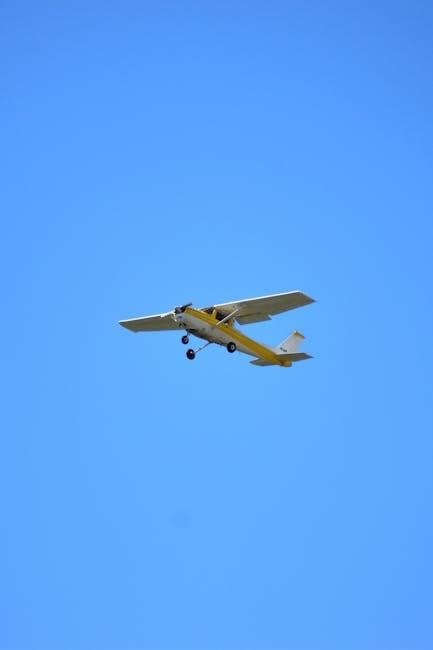
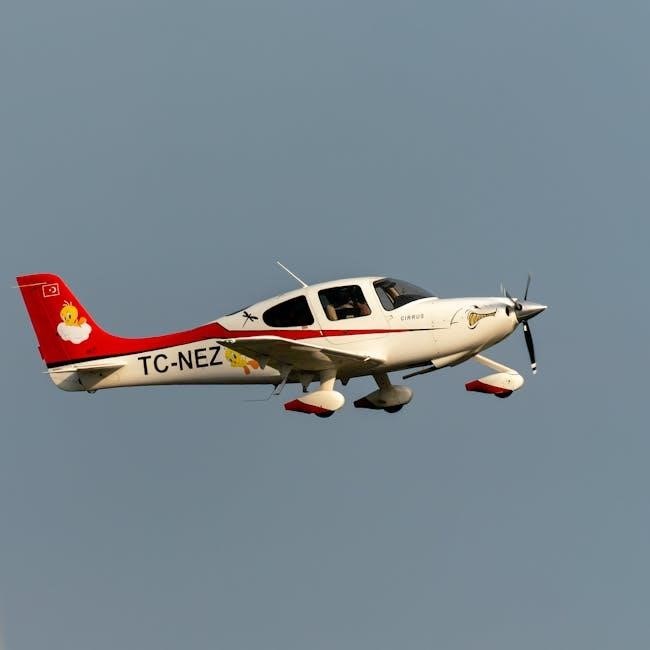
The Cessna 172 Skyhawk, a cornerstone of general aviation, commenced its remarkable journey in 1956, quickly establishing itself as the premier choice for flight training and recreational pilots globally․ Celebrating 70 years of flight in 2025, this iconic aircraft boasts a production lineage exceeding 4,195 units within its initial five years․

Its enduring popularity is underscored by recent production boosts, aiming for increases of up to 36 aircraft over 2012 levels, driven by a surge in demand․ A substantial order for 79 aircraft signifies continued confidence in the Skyhawk’s capabilities․ The aircraft’s legacy is cemented as the most successful training aircraft ever produced, remaining in continuous production to this day․

70 Years of Flight: A Legacy Aircraft

The Cessna 172 Skyhawk proudly commemorates 70 years of flight in 2025, a testament to its enduring design and reliability․ First taking to the skies in 1955, this four-seat, single-engine aircraft has become synonymous with flight training and personal aviation worldwide․

Throughout its history, the Skyhawk has consistently evolved, adapting to advancements in technology while retaining its core characteristics․ Its longevity is evidenced by continuous production, solidifying its position as an iconic aircraft․ The POH reflects decades of operational experience, ensuring safe and efficient flight for generations of pilots․ It remains a go-to plane for recreational pilots․

Production Increases and Recent Orders

Cessna is responding to a surge in demand by boosting 172 Skyhawk production, potentially increasing output by up to 36 units over 2012 levels․ This reflects renewed interest in general aviation and the Skyhawk’s continued popularity․

Recently, a substantial order for 79 Cessna 172 Skyhawk aircraft was announced, marking one of the largest orders in the aircraft’s history․ This significant commitment underscores the Skyhawk’s role as a leading training and personal aviation platform․ Accessing the latest POH ensures pilots operate the aircraft according to current standards, even with increased production and deliveries․

Cessna 172 Skyhawk: The Iconic Training Aircraft

The Cessna 172 Skyhawk stands as the most successful training aircraft ever produced, a testament to its reliability and forgiving flight characteristics․ Introduced in 1956, it remains a cornerstone of flight schools worldwide․

Its four-seat, single-engine design provides an accessible entry point for aspiring pilots․ Understanding the aircraft’s limitations and operating procedures, detailed within the POH, is paramount for safe and effective training․ The POH PDF ensures students and instructors have readily available access to critical performance data and emergency procedures, solidifying the Skyhawk’s legacy․

Understanding the Cessna 172 Skyhawk

The Cessna 172’s POH PDF details its four-seat design, engine options, and performance metrics, crucial for pilots seeking comprehensive operational knowledge․

Key Features and Specifications

The Cessna 172 Skyhawk POH PDF meticulously outlines the aircraft’s defining characteristics․ It’s a four-seat, single-engine airplane, renowned for its stability and ease of handling, making it ideal for flight training․ The POH details standard airplane weights, including the Skyhawk’s 1393 lbs standard empty weight and a maximum useful load of 907 lbs․

Furthermore, the document specifies engine details, notably the AVCO Lycoming O-320, providing comprehensive specifications․ Pilots rely on this information for accurate weight and balance calculations, essential for safe flight operations․ The POH serves as a vital resource for understanding the Cessna 172’s capabilities and limitations․

Four-Seat, Single-Engine Design

The Cessna 172 Skyhawk POH PDF thoroughly describes its practical four-seat configuration, ideal for flight training and recreational flying․ As a single-engine aircraft, the POH details all aspects of the engine’s operation and maintenance․ This design contributes to the Skyhawk’s simplicity and cost-effectiveness, making it a popular choice globally․

The document outlines the aircraft’s dimensions and structural components, crucial for understanding its performance characteristics․ Pilots utilize the POH to interpret how the four-seat layout and single-engine setup impact weight distribution and flight control․ It’s a cornerstone for safe and efficient operation of this iconic aircraft․

Engine Options and Performance

The Cessna 172 Skyhawk POH PDF meticulously details engine specifications, notably the AVCO Lycoming O-320, providing comprehensive performance data․ It outlines horsepower, fuel consumption, and recommended operating parameters․ Pilots rely on this information for pre-flight planning and in-flight monitoring;

The POH presents performance charts covering takeoff distance, climb rate, cruise speed, and landing distance, varying with weight and atmospheric conditions․ Understanding these figures is vital for safe operation․ The document also covers the Penn Yan SuperHawk conversion, featuring an 180 hp Lycoming O-360, and its associated performance enhancements․

Standard Airplane Weights

The Cessna 172 Skyhawk POH PDF provides critical weight and balance information essential for safe flight operations․ It specifies the Standard Empty Weight for the Skyhawk as 1393 lbs․ Furthermore, the Maximum Useful Load is detailed, with figures of 907 lbs for the standard Skyhawk and 1419 lbs for the Skyhawk II․

These weights are crucial for calculating weight and balance, ensuring the aircraft remains within its operational limits․ The POH clearly defines the Normal Category weight restrictions․ Pilots must adhere to these guidelines to maintain stability and control during all phases of flight, as outlined within the document․

Empty Weight and Useful Load

The Cessna 172 Skyhawk POH PDF meticulously details the aircraft’s Empty Weight and Useful Load, vital for safe and legal operation․ The standard Skyhawk boasts an Empty Weight of 1393 lbs, while the Skyhawk II is slightly heavier․ Understanding the Useful Load – the weight available for passengers, fuel, and baggage – is paramount․

The POH specifies a Useful Load of 907 lbs for the standard model and 1419 lbs for the Skyhawk II․ Pilots must carefully calculate these figures before each flight, ensuring they remain within the aircraft’s limitations․ Exceeding these limits compromises safety and can lead to performance issues, as detailed in the POH․

Accessing the Pilot’s Operating Handbook (POH)

The Cessna 172 POH PDF is readily available online, offering essential flight data and procedures for pilots to ensure safe operation․

Importance of the POH

The Pilot’s Operating Handbook (POH) is absolutely critical for safe and efficient operation of the Cessna 172 Skyhawk․ It’s not merely a suggestion, but a foundational document outlining the aircraft’s limitations, performance characteristics, and emergency procedures․ Understanding the POH ensures pilots operate within the defined parameters of the aircraft, maximizing safety and minimizing risk․

Specifically, the POH details crucial information like weight and balance calculations, performance charts for takeoff and landing, and detailed operating procedures․ Accessing the Cessna 172N POH PDF allows pilots to thoroughly review this information before each flight, ensuring they are fully prepared for all phases of flight․ Ignoring the POH can lead to dangerous situations and potentially catastrophic outcomes․

Locating the Cessna 172N POH PDF

Finding the Cessna 172N POH PDF is readily achievable through various online resources․ A direct download is often available from aviation-specific websites and online document repositories․ Searching for “Cessna 172N POH” will yield numerous results, leading to downloadable PDF files․

It’s crucial to verify the source’s reliability to ensure you’re accessing an official and up-to-date version․ While many sites offer these documents, confirming the POH’s authenticity is paramount for safety․ Pilots should also consider checking with their flight school or Cessna’s official website for the most current and approved POH for the Cessna 172N Skyhawk․

POH Contents and Sections

The Cessna 172 Skyhawk POH is meticulously structured to provide pilots with comprehensive operational guidance․ Key sections include detailed aircraft specifications, weight and balance calculations, and performance charts outlining crucial data for various flight conditions․

Furthermore, the POH covers limitations, emergency procedures, and normal operating procedures, ensuring pilots understand safe operational boundaries․ The AVCO Lycoming O-320 engine specifications are also thoroughly detailed․ This handbook serves as a vital resource, guiding pilots through all aspects of flight, from pre-flight checks to landing procedures, promoting safe and efficient operation․

Specific POH Information

The POH details the AVCO Lycoming O-320 engine, weight & balance, performance charts, and operational limitations crucial for safe Cessna 172 flight․

Engine Specifications: AVCO Lycoming O-320

The Cessna 172 Skyhawk frequently utilizes the AVCO Lycoming O-320 engine, a four-cylinder, normally aspirated, air-cooled engine renowned for its reliability and efficiency․ The POH meticulously outlines its specifications, including a horsepower rating typically around 150 hp․

Detailed within the POH are critical parameters like oil capacity, fuel grade requirements (typically 100LL aviation gasoline), and recommended oil viscosity for optimal performance across varying temperatures․ Furthermore, the manual specifies the engine’s compression ratio and bore/stroke dimensions․

Understanding these specifications, as documented in the POH, is paramount for pilots to ensure proper engine maintenance, operation, and to identify potential issues during pre-flight inspections and in-flight monitoring․

Weight and Balance Calculations

The Cessna 172 Skyhawk POH dedicates significant detail to weight and balance procedures, crucial for safe flight operations․ Pilots utilize charts and formulas within the POH to determine the aircraft’s center of gravity (CG) for various loading conditions․

The POH provides the standard empty weight (e․g․, 1393 lbs for the Skyhawk) and maximum useful load (907 lbs)․ Pilots calculate the weight and moment for each item loaded – passengers, fuel, baggage – and use these values to ensure the CG remains within prescribed limits․

Exceeding these limits can severely impact aircraft handling and stability․ The POH’s weight and balance section is therefore essential for pre-flight planning and ensuring a safe flight envelope․

Performance Charts and Data

The Cessna 172 Skyhawk POH contains extensive performance charts and data vital for flight planning․ These charts detail takeoff distances, landing distances, climb rates, cruise speeds, and fuel consumption under various conditions – altitude, temperature, and weight․

Pilots use this data to accurately estimate required runway lengths, time en route, and fuel burn․ The POH provides performance information for both normal and short-field operations, allowing pilots to optimize performance based on airport conditions․

Understanding and utilizing these charts is crucial for safe and efficient flight, ensuring pilots can confidently meet performance requirements throughout all phases of flight․

Limitations and Operating Procedures

The Cessna 172 Skyhawk POH meticulously outlines aircraft limitations, including weight and balance restrictions, airspeed limitations, and operational altitudes․ It details prohibited maneuvers and environmental limitations impacting safe flight․

Comprehensive operating procedures cover all phases of flight – preflight inspection, engine start, taxiing, takeoff, climb, cruise, descent, approach, and landing․ These procedures are standardized for consistent and safe operation․

Emergency procedures, addressing engine failures, system malfunctions, and other contingencies, are also clearly defined within the POH, ensuring pilots are prepared for unexpected situations․

Recent Market Trends & Examples

Cessna boosted 172 production due to high demand, with a recent 79-aircraft order, while a 1975 172M with conversion sells for $102,000․

Aircraft For Sale: Todays Top Pick (1975 Cessna 172M)

Today’s featured aircraft is a meticulously maintained 1975 Cessna 172M Skyhawk, presenting a compelling opportunity for pilots seeking a classic and reliable trainer․ This particular model boasts a significant upgrade – a Penn Yan SuperHawk conversion, featuring a robust 180 hp Lycoming O-360 engine, enhancing performance and climb rate․

Currently listed for $102,000, the aircraft has accumulated 3,909 airframe hours, reflecting consistent use and care․ Prospective buyers can access detailed information, including maintenance records and specifications, to ensure a confident purchase․ The Cessna 172M remains a popular choice due to its simplicity, affordability, and readily available parts, making it an excellent entry point into aircraft ownership․ Finding the POH for this model is crucial for safe operation․

Microsoft Flight Simulator X: Cessna C172N Skyhawk II

Experience the thrill of flight with the Cessna C172N Skyhawk II, faithfully recreated in Microsoft Flight Simulator X: Steam Edition․ Widely recognized as the most successful training aircraft ever built, the virtual Skyhawk offers an immersive and realistic simulation experience․

Pilots can hone their skills and explore diverse virtual landscapes, utilizing the aircraft’s detailed systems and handling characteristics․ Accessing the Cessna 172N POH PDF is highly recommended, even for virtual pilots, to understand the aircraft’s limitations and operating procedures․ This enhances the realism and safety of the simulated flights, providing a valuable learning tool alongside the game․

Current Market Value and Availability

The Cessna 172 Skyhawk remains a highly sought-after aircraft, influencing its market value and availability․ A well-maintained 1975 Cessna 172M, featuring a Penn Yan SuperHawk conversion with a 180 hp engine, is currently listed for $102,000․

Understanding the aircraft’s condition and referencing the Cessna 172N POH PDF is crucial during pre-purchase evaluations․ The POH details weight and balance, performance data, and limitations, impacting the aircraft’s value․ Increased production, spurred by a surge in orders—including a recent 79-aircraft order—suggests continued demand and potential price fluctuations․

Large Orders: 79 Aircraft Order Announced

Cessna Aircraft Company recently announced a substantial order for 79 Cessna 172 Skyhawk aircraft, marking one of the largest orders in the aircraft’s history․ This significant demand underscores the continued popularity and reliability of the Skyhawk, a testament detailed within the Cessna 172N POH PDF․

Such large orders influence production schedules and potentially, aircraft availability․ Prospective buyers should consult the POH for performance specifications and limitations to ensure the aircraft meets their operational needs․ The surge in demand, exceeding 2012 levels by up to 36 aircraft, highlights the Skyhawk’s enduring appeal․

Additional Resources

Explore online forums, the official Cessna website, and flight training resources for further information complementing the Cessna 172N POH PDF․

Online Forums and Communities

Engaging with online Cessna communities and aviation forums provides a valuable platform for pilots seeking deeper understanding of the Cessna 172 Skyhawk and its Pilot’s Operating Handbook (POH)․ These spaces foster collaborative learning, allowing users to exchange experiences, ask questions, and share insights related to specific POH sections․

Discussions often revolve around interpreting performance charts, weight and balance calculations, and operational limitations detailed within the POH․ Experienced pilots frequently offer guidance on real-world applications of the procedures outlined in the manual․ Accessing these forums can supplement the official POH PDF, offering practical perspectives and troubleshooting advice․ Many forums also host archived discussions, creating a rich knowledge base for Cessna 172 owners and pilots․

Cessna Official Website

Cessna’s official website serves as a primary resource for accessing current and archived Pilot’s Operating Handbooks (POHs), including those for the 172 Skyhawk․ While direct links to specific POH PDFs, like the 172N version, may require navigation through their support or owner’s resources sections, the site guarantees authenticity and the latest revisions․

Beyond the POH, the website offers comprehensive information about the 172 Skyhawk, encompassing specifications, performance data, and service bulletins․ Registered owners can often access exclusive content, including updated documentation and maintenance schedules․ Utilizing the official Cessna website ensures pilots are referencing approved materials, vital for safe and compliant flight operations, supplementing any independently sourced POH PDF․

Flight Training Resources

Numerous flight training organizations and online platforms offer supplementary resources alongside the official Cessna 172 Skyhawk POH PDF․ These resources often include detailed POH interpretations, performance calculation tutorials, and scenario-based learning modules designed to enhance pilot understanding․

Flight schools frequently integrate POH study into their curricula, emphasizing practical application of the data during flight training․ Online forums and communities, dedicated to Cessna aircraft, provide opportunities to discuss POH-related questions and share experiences․ Utilizing these resources, in conjunction with the official POH PDF, fosters a deeper comprehension of the aircraft’s capabilities and limitations, promoting safer and more proficient flying․