Lord of the Flies‚ written by William Golding‚ follows a group of boys stranded on an uninhabited island. Their struggle for survival exposes primal instincts and societal breakdown‚ making the novel a powerful exploration of human nature. The novel probes leadership‚ fear‚ and fragile society
Overview of the novel and its significance
Lord of the Flies‚ first published in 1954‚ follows a group of boys stranded on a deserted island. Their initial attempts at order quickly unravel as fear‚ power struggles‚ and primal instincts surface. Golding’s vivid prose captures the fragile veneer of civilization and the underlying darkness that resides within humanity. The novel’s setting—a remote‚ lush island—serves as a microcosm for society‚ allowing readers to witness the collapse of social norms in a controlled environment. Through the boys’ descent‚ Golding interrogates the nature of authority‚ the allure of savagery‚ and the thin line separating order from chaos. The narrative’s symbolic elements‚ such as the conch shell‚ the signal fire‚ and the infamous “Lord of the Flies” itself‚ deepen the thematic exploration of human nature and the fragility of societal structures. Critics and scholars have praised the book for its unflinching portrayal of the human psyche‚ its critique of post‑war optimism‚ and its enduring relevance in discussions of ethics‚ leadership‚ and the potential for violence in every individual. Its influence extends beyond literature into educational curricula‚ film adaptations‚ and cultural discourse‚ cementing its status as a classic that continues to provoke reflection on the complexities of human society and the shadows that lie beneath the surface of civilization.
Legal considerations of obtaining free PDFs
Before downloading‚ check copyright status. The novel is still under copyright‚ so unauthorized PDFs violate law. Use licensed sites or public domain works only. Respect authors’ rights. Always verify source legitimacy to avoid legal and security risks. Download responsibly. All rights reserved!!
Copyright status and public domain status of the book
William Golding’s Lord of the Flies first appeared in 1954‚ and the author died in 1993. Copyright lasts for the author’s life plus 70 years‚ so the text will enter the public domain only in 2063. Until then‚ it remains under exclusive copyright‚ and any reproduction without permission is illegal. In most jurisdictions‚ the novel is not yet public domain worldwide. Because it is still under copyright‚ official publishers hold the rights to distribute digital copies‚ and they typically charge for e‑books or offer them through licensed platforms. Unauthorized PDFs circulating online are infringing copies. Even if a file is labeled “free‚” it does not mean it is legal; it may be a pirated version that the author’s estate has not authorized. The only legitimate way to obtain a free PDF is through a public domain source‚ which does not exist for this work at present. Libraries and educational institutions sometimes provide access through licensed e‑book services‚ but those services require proper authentication. In short‚ the novel’s copyright status is active‚ and any free PDF found online is likely a violation of copyright law. Users should verify the source and consider purchasing or borrowing through legal channels to respect the author’s rights and avoid legal consequences. Readers can also explore authorized translations and study guides that enrich the reading experience. These resources provide critical insights and contextual background for students in classrooms!!!.
Official sources for free PDFs
Authorized platforms such as Project Gutenberg‚ Internet Archive‚ and official publisher sites occasionally offer free PDFs for educational use‚ ensuring compliance with copyright. Always verify the source and download through secure‚ licensed channels. Download responsibly. Use safe links
Project Gutenberg is a well‑known digital library that offers free e‑books that are in the public domain‚ making it a popular destination for readers seeking classic literature. While “Lord of the Flies” is still under copyright‚ the site occasionally hosts authorized excerpts or companion materials that can be accessed for educational purposes. These excerpts are typically short and are provided with clear licensing terms that allow students and teachers to use them in the classroom without infringing on the author’s rights. Another reputable source is the Internet Archive‚ which hosts a vast collection of digitized books‚ including scanned copies of “Lord of the Flies.” These copies are often shared under Creative Commons licenses or with explicit permission from the publisher‚ ensuring that users can download and read the text legally. The Archive’s interface allows users to view the book in multiple formats‚ such as PDF‚ EPUB‚ and plain text‚ making it convenient for different reading preferences. In addition‚ many university libraries provide access to digital copies of the novel through platforms like JSTOR or ProQuest. These institutions typically have licensing agreements that permit students to download PDFs for personal study. Access usually requires a valid library card or institutional login‚ but the PDFs are fully legal and safe to use. When searching for a free PDF‚ always verify that the source is reputable and that the download is authorized. Look for clear copyright notices‚ licensing information‚ or a statement from the publisher. Avoid sites that offer the full text without any attribution or licensing‚ as these are likely infringing and may expose users to malware or legal risks.
Unofficial sources and risks
Unofficial sites often host pirated PDFs‚ exposing users to malware‚ phishing‚ and legal penalties. Downloads may contain viruses‚ spyware‚ or hidden scripts. Users risk fines‚ account bans‚ and compromised data. verify source legitimacy before downloading. Avoid these sites to protect your device. data !!
Potential malware and legal consequences
Downloading a free PDF of Lord of the Flies from unofficial sites can expose you to a range of security threats. Many sites that offer the book without authorization embed malicious code—viruses‚ ransomware‚ or spyware—within the PDF file itself. Once opened‚ these payloads can silently install keyloggers‚ steal personal data‚ or lock your system until a ransom is paid. The risk is compounded by the fact that the file’s provenance is unknown; it may have been altered after distribution‚ making it impossible to verify authenticity or integrity. Beyond the immediate technical dangers‚ the legal ramifications are significant. Lord of the Flies remains under copyright protection in most jurisdictions‚ and downloading or distributing it without permission violates the author’s exclusive rights. Users who obtain the PDF from unauthorized sites may face civil lawsuits‚ statutory damages‚ or even criminal charges‚ depending on the scale of infringement. In some countries‚ downloading a single copy can result in fines of several hundred dollars‚ while large‑scale distribution can lead to substantial penalties and court‑ordered injunctions. Moreover‚ law‑enforcement agencies actively monitor torrent and file‑sharing networks‚ and they can trace IP addresses to identify infringers. Even if you claim no intent to profit‚ the act of downloading a copyrighted work without authorization is still unlawful. Therefore‚ the safest approach is to use legitimate‚ licensed channels or public‑domain resources‚ ensuring both your safety and compliance with the law.
How to safely download a free PDF
Use reputable sites like Project Gutenberg‚ verify file integrity‚ scan with antivirus‚ and avoid unknown links. Always check copyright status before downloading to stay legal and secure. Download only from verified sources and keep your system updated.!!
Step-by-step guide for secure downloading
Verify the source: only use well-known‚ reputable sites that offer public domain or licensed copies. 2. Check the file type: a .pdf should be safe if from a trusted domain. 3; Scan the file: before opening‚ run a current antivirus scan or use an online scanner like VirusTotal. 4. Confirm file size: it should match the expected size for the novel (approximately 300 KB–1 MB). 5. Use a sandbox or virtual machine: if you’re uncertain‚ open the file in a controlled environment. 6. Keep your OS and software updated: security patches protect against exploits. 7. Avoid downloading from peer‑to‑peer or torrent sites‚ as they often host malware. 8. After download‚ back up the file in a secure location. 9. When reading‚ use a trusted PDF reader and disable JavaScript or external content. 10. Finally‚ respect copyright: if the book is not in the public domain‚ purchase or borrow from a library instead of downloading illegally. 11. Verify checksum: if available‚ compare the file’s hash with the source’s to ensure integrity. 12. Disable automatic downloads: prevent malware from executing by turning off auto‑run features in your PDF reader. 13. Use a reputable e‑reader app: many offer built‑in security checks and sandboxing for PDFs. 14. Keep backups: store the original PDF on a separate drive or cloud service to recover if corrupted. 15. Stay vigilant. Always.
Alternative formats and reading options
Explore ePub‚ Kindle‚ and audiobook versions. Many libraries offer free access‚ and platforms like Project Gutenberg provide downloadable ePub files. Auditory editions let you listen while commuting‚ enhancing accessibility. Digital libraries offer annotations and study guides‚ enhancing learning!
ePub‚ Kindle‚ and audiobooks availability
For readers seeking digital alternatives‚ ePub and Kindle formats are widely supported across devices. Public‑domain versions can be found on Project Gutenberg‚ while commercial e‑book retailers often offer discounted or free promotional copies. Audiobook editions are available through Audible‚ LibriVox‚ and free‑audio platforms‚ providing narrated experiences that highlight Golding’s rhythm and tone. Libraries using OverDrive or Hoopla grant instant access to these formats‚ often with no download required. When choosing a format‚ consider device compatibility‚ storage limits‚ and reading preferences. ePub files adapt to screen size‚ making them ideal for tablets and smartphones‚ whereas Kindle’s proprietary format offers seamless syncing across Amazon devices. Audiobooks are especially useful for commuters or those who enjoy immersive storytelling. Always verify that the source is legitimate to avoid malware or copyright violations. By exploring these varied formats‚ readers can enjoy “Lord of the Flies” in the most convenient way for their lifestyle.
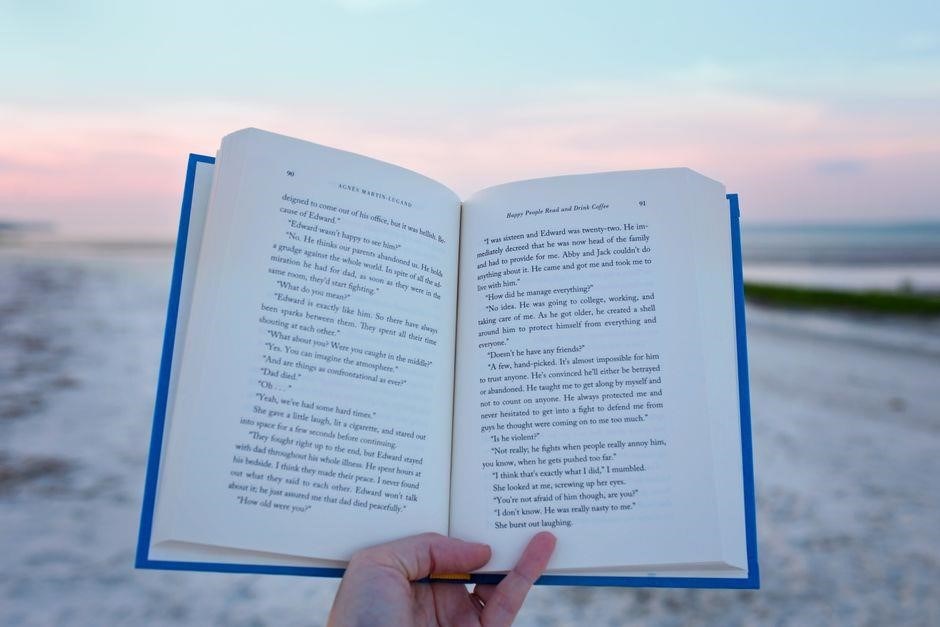
Additionally‚ many e‑book platforms provide accessibility features such as adjustable font sizes‚ background colors‚ and dyslexia‑friendly fonts‚ ensuring inclusive reading experiences. For those who prefer physical copies‚ some libraries offer print‑on‑demand services that can produce a hard‑back or paperback version from the digital file. Finally‚ note that while the original text remains unchanged‚ some editions include scholarly annotations‚ discussion questions‚ and critical essays‚ enriching the reading experience for students and educators alike.
When selecting a platform‚ pay attention to the file’s metadata: proper ISBN‚ author credit‚ and publication date confirm authenticity. Some sites offer the option to preview chapters before downloading‚ allowing you to verify the text’s fidelity. If you encounter a paywall‚ consider using a library card to access the same content for free. Many audiobook services provide multiple narrators‚ allowing you to choose a voice that best matches the story’s tone. Some services even offer interactive features‚ such as bookmarks and chapter navigation‚ making it easier to revisit key moments. Lastly‚ keep your device’s software updated to protect against security vulnerabilities that could compromise your downloaded content;
For academic purposes‚ universities often subscribe to digital libraries like JSTOR or Google Books‚ where you can access the novel alongside critical essays and historical context. These resources provide a richer understanding of Golding’s themes and the novel’s impact on literature. If you are a teacher‚ many educational platforms offer lesson plans and interactive activities that complement the text. Parents and students can also use reading apps that track progress and provide comprehension quizzes. By leveraging these diverse resources‚ you can fully engage with “Lord of the Flies” beyond the standard PDF format.
Why “Lord of the Flies” remains relevant
Despite its publication in 1954‚ the novel’s exploration of human nature‚ power dynamics‚ and moral ambiguity continues to resonate in contemporary society. Its themes echo in modern conflicts‚ media‚ and education‚ reminding readers of the fragile veneer of civilization. It invites reflection
Modern interpretations and academic use
Golding’s narrative continues to serve as a cornerstone in literary curricula worldwide‚ offering a multifaceted lens through which educators examine the fragility of social order and the inherent darkness within humanity. In contemporary classrooms‚ the novel is frequently paired with interdisciplinary studies‚ allowing students to draw parallels between the boys’ descent into savagery and real-world phenomena such as political upheaval‚ environmental crises‚ and the psychology of groupthink. Scholars often employ comparative analyses‚ juxtaposing the text with classic works like Shakespeare’s Macbeth or contemporary media that depict dystopian societies. This method encourages critical thinking about the cyclical nature of power structures and the ethical responsibilities of individuals within them. Moreover‚ the novel’s concise yet potent language provides a rich resource for linguistic studies‚ as students dissect the evolution of dialogue and narrative voice to better understand character development and thematic emphasis. In the digital age‚ educators also integrate multimedia resources—documentaries‚ film adaptations‚ and interactive simulations—to deepen engagement and foster a more immersive learning experience. By encouraging students to reflect on the novel’s relevance to current events‚ teachers can facilitate discussions on leadership‚ morality‚ and the consequences of unchecked ambition. The enduring academic value of Lord of the Flies lies in its capacity to provoke thoughtful debate‚ inspire analytical rigor‚ and illuminate the timeless tensions between civilization and chaos‚ making it an indispensable tool for both literary analysis and broader social inquiry. Students analyze character arcs grasp moral decay! The enduring power provokes reflection on the human condition‚ urging readers to confront truths deeply!