CrossFit Movements List: A Comprehensive Guide (Updated 01/26/2026)
CrossFit’s variability and complexity are generally enjoyed, offering constant improvement regardless of fitness level; this guide details foundational, Olympic, and auxiliary movements.
Foundational CrossFit Movements
Foundational CrossFit movements form the bedrock of the entire training methodology, establishing core strength and proper movement patterns essential for progression. These exercises – squats, push-ups, pull-ups, deadlifts, and kettlebell swings – are frequently incorporated into workouts, scaling easily for all fitness levels. Mastering these movements is paramount before advancing to more complex skills.
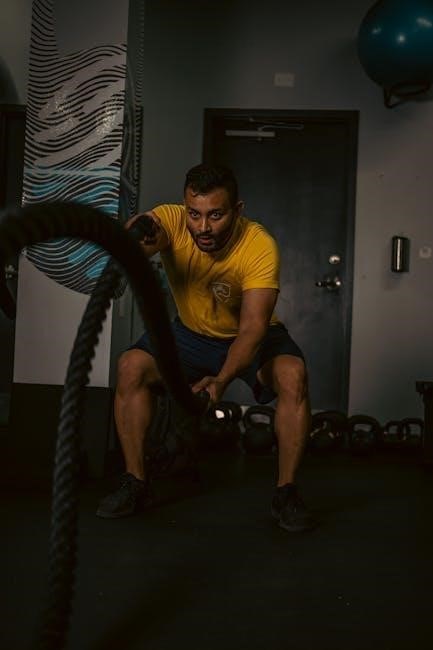
Squats build lower body strength and endurance, while push-ups develop upper body pushing power. Pull-ups enhance pulling strength, crucial for many CrossFit exercises. Deadlifts are a full-body movement building strength and power, and kettlebell swings develop explosive hip drive and cardiovascular fitness. These movements are often seen in beginner WODs, designed to be accessible and “dummy-proof,” building a solid base for future challenges.
Squats
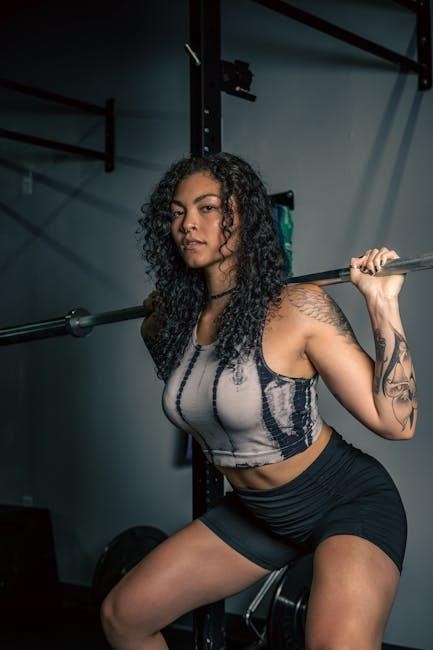
Squats are a foundational CrossFit movement, building lower body strength and endurance, crucial for overall athletic performance and functional fitness. They engage multiple muscle groups – quads, hamstrings, glutes, and core – promoting balanced development. Proper squat form is paramount; maintaining a straight back, chest up, and driving through the heels.
Variations include air squats, front squats, overhead squats, and goblet squats, each increasing in complexity and demand. Squats are frequently incorporated into WODs, often performed with high repetitions or under load. Mastering the squat is essential before progressing to more advanced movements, forming a solid base for all other lower body exercises within the CrossFit program. They are a cornerstone of foundational fitness.
Push-Ups
Push-ups represent a fundamental CrossFit movement, demanding upper body strength and core stability, accessible to all fitness levels with scalable modifications. They primarily target the chest, shoulders, and triceps, while simultaneously engaging the core for maintaining a straight body line. Proper form involves a controlled descent and explosive ascent, avoiding sagging hips or flared elbows.
CrossFit utilizes various push-up variations, including standard, kipping, and diamond push-ups, increasing the challenge and targeting different muscle fibers. Push-ups are frequently featured in WODs, often performed in high volumes to build muscular endurance. They serve as a building block for more complex gymnastic movements, like handstand push-ups, and are a reliable measure of upper body strength.

Pull-Ups
Pull-ups are a cornerstone of CrossFit, demanding significant upper body pulling strength and core engagement, often considered a benchmark of functional fitness. They primarily work the back muscles (lats, traps, rhomboids), biceps, and forearms, requiring a full range of motion – from a dead hang to chin over the bar. Maintaining a strict form, avoiding kipping initially, is crucial for developing proper technique and preventing injury.
CrossFit incorporates scaled variations like ring rows to build foundational strength for those unable to perform unassisted pull-ups. As athletes progress, they may encounter kipping pull-ups, adding momentum for increased repetitions. Pull-ups frequently appear in WODs, testing muscular endurance and overall strength, and are essential for progressing to more advanced gymnastic movements.
Deadlifts
Deadlifts are a fundamental full-body movement in CrossFit, building strength, power, and overall athleticism. They engage nearly every muscle group, particularly the posterior chain – back, glutes, and hamstrings – while also requiring significant core stability. Proper form is paramount to prevent injury; maintaining a straight back, engaging the lats, and driving through the heels are key principles.
CrossFit utilizes various deadlift variations, including conventional, sumo, and Romanian deadlifts, each emphasizing different muscle groups and movement patterns. The deadlift challenges spinal stability under load, a crucial aspect of functional fitness. It’s a staple in many WODs, testing maximal strength and conditioning, and serves as a foundation for more complex Olympic lifts.
Kettlebell Swings
Kettlebell swings are a dynamic, full-body exercise central to CrossFit, developing explosive power, cardiovascular endurance, and functional strength. Unlike traditional weightlifting, the swing emphasizes a hip hinge movement, driving the kettlebell forward using glutes and hamstrings, not the arms. Maintaining a neutral spine and engaging the core are vital for safe and effective execution.
This movement builds stamina and power, translating well to other CrossFit exercises and everyday activities. Kettlebell swings improve posterior chain strength and conditioning, enhancing athletic performance. They are frequently incorporated into AMRAPs (As Many Reps As Possible) and timed workouts, challenging both strength and metabolic capacity. Mastering the hip hinge is key to maximizing benefits.
Olympic Lifting Movements
Olympic lifting forms a cornerstone of CrossFit, demanding technique, power, and coordination. These movements – the Snatch and the Clean & Jerk – are complex, full-body exercises that build explosive strength, improve athleticism, and enhance overall fitness. They require significant practice and proper coaching to master safely and effectively.
Unlike traditional strength training, Olympic lifts emphasize speed and technique over sheer weight. They engage multiple muscle groups simultaneously, improving neuromuscular efficiency and power output. These lifts challenge the athlete’s stability under load, developing core strength and spinal stability. Proficiency in Olympic lifting translates to improved performance in other CrossFit movements and functional activities.
Snatch
The Snatch is a highly technical Olympic lift involving lifting the barbell from the ground to overhead in one continuous motion. It demands exceptional flexibility, coordination, and power. Athletes must maintain a straight back, engage their core, and utilize explosive hip extension to drive the weight upwards. Proper technique is crucial to prevent injury and maximize efficiency.
Mastering the Snatch requires breaking down the movement into distinct phases: the first pull, the transition, the second pull, and the overhead catch. Each phase demands specific cues and drills to refine technique. Scaling options, such as using lighter weights or performing snatch balances, allow athletes of all levels to practice and improve. The Snatch builds full-body power and coordination.
Clean and Jerk
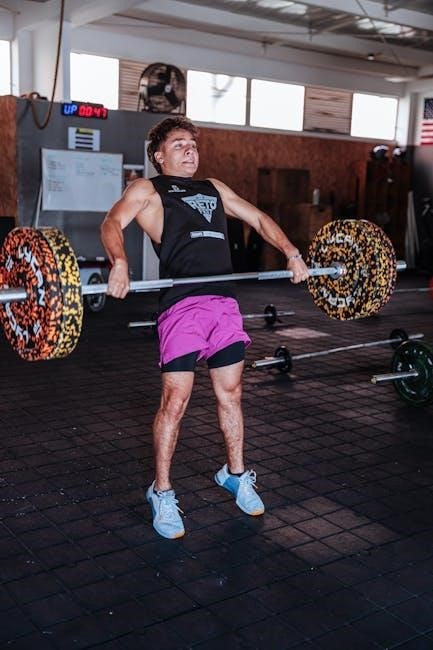
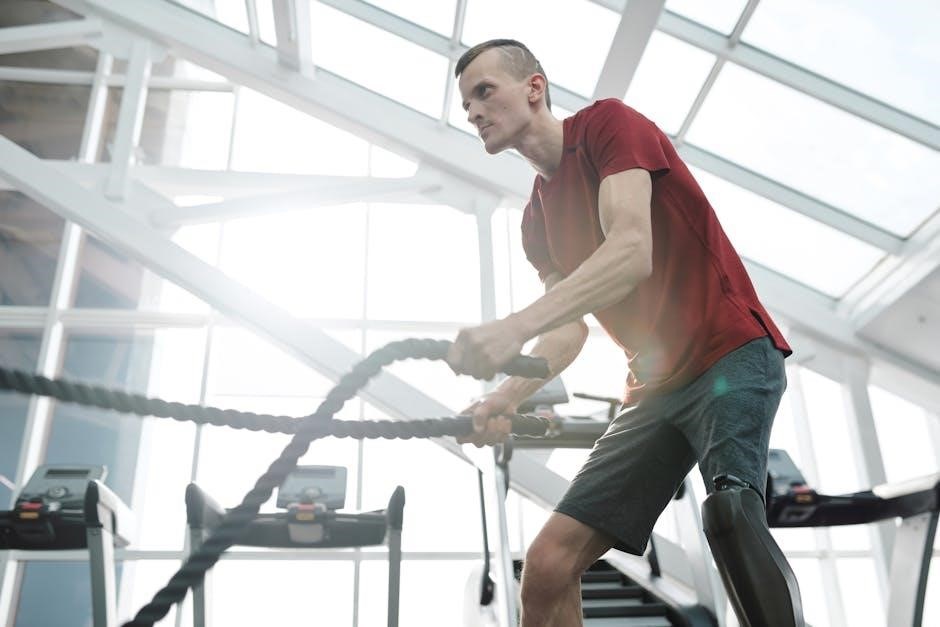
The Clean and Jerk is another complex Olympic lift, comprised of two distinct movements: the Clean and the Jerk. The Clean involves lifting the barbell from the ground to the shoulders, while the Jerk propels the weight overhead with a powerful drive from the legs and arms. This lift requires significant strength, technique, and coordination, challenging the entire body.
Similar to the Snatch, the Clean and Jerk is broken down into phases. The Clean phase emphasizes proper back positioning and explosive hip extension. The Jerk phase requires a stable base and precise timing to successfully drive the weight overhead. Scaling options include reducing the weight, practicing the individual components, or utilizing power cleans and push jerks to build strength and technique.
Gymnastic Movements
CrossFit gymnastic movements emphasize bodyweight strength, control, and coordination. These movements often require significant skill and practice, building upper body pulling strength, core stability, and shoulder mobility. They range in difficulty, offering scalable options for all fitness levels. Mastering these movements is crucial for overall functional fitness and efficient movement patterns.
Examples include Toes-to-Bar, demanding core strength and hip flexor power; Chest-to-Bar Pull-Ups, requiring substantial upper body strength; and challenging Handstand Push-Ups, building shoulder stability and strength. The advanced Muscle-Up combines a pull-up with a dip, showcasing a high level of strength and technique. Scaling options involve banded assistance, kipping variations, or regressions to simpler movements.
Toes-to-Bar
Toes-to-Bar is a challenging gymnastic movement demanding significant core strength, hip flexor power, and upper body control. Athletes aim to lift their toes to the bar while hanging from a pull-up bar, engaging the entire body throughout the exercise. Proper technique involves maintaining a hollow body position, minimizing kipping momentum, and controlling the descent. This movement builds functional strength and improves overall body awareness.
Scaling options are readily available for varying fitness levels. Beginners can start with knee raises or hanging leg raises, gradually progressing to full toes-to-bar. Using resistance bands for assistance can also aid in developing the necessary strength and technique. Mastering toes-to-bar enhances performance in other CrossFit movements and contributes to a well-rounded fitness regimen.
Chest-to-Bar Pull-Ups
Chest-to-Bar Pull-Ups represent a more advanced variation of the standard pull-up, requiring substantial upper body strength, core stability, and technique. Athletes pull themselves up until their chest touches the pull-up bar, demonstrating a higher level of muscular endurance and control. Maintaining a tight core and avoiding excessive kipping are crucial for proper form and injury prevention. This movement builds significant back and arm strength.
Scaling options include banded chest-to-bar pull-ups, kipping chest-to-bar pull-ups (with controlled technique), or regressions to regular pull-ups. Focusing on building foundational pull-up strength is essential before attempting chest-to-bar variations. Consistent practice and attention to form will lead to improved performance and a greater capacity for challenging CrossFit workouts.
Handstand Push-Ups
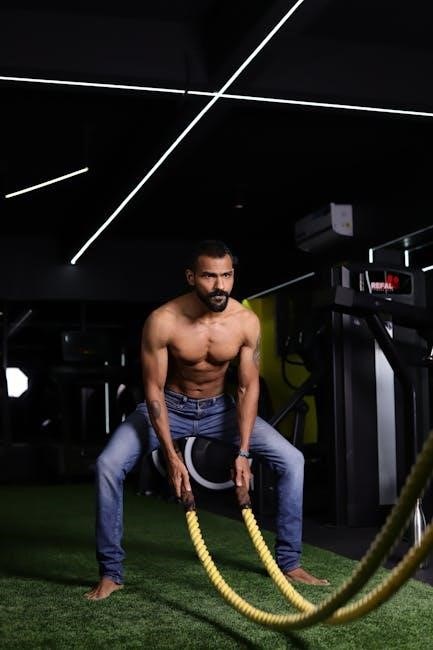
Handstand Push-Ups are a demanding gymnastic movement requiring significant upper body strength, shoulder stability, and body control. Athletes perform a push-up while inverted, challenging their muscles in a unique and intense way. Proper form involves maintaining a straight body line from hands to feet, engaging the core, and controlling the descent. This exercise builds incredible shoulder strength and stability.
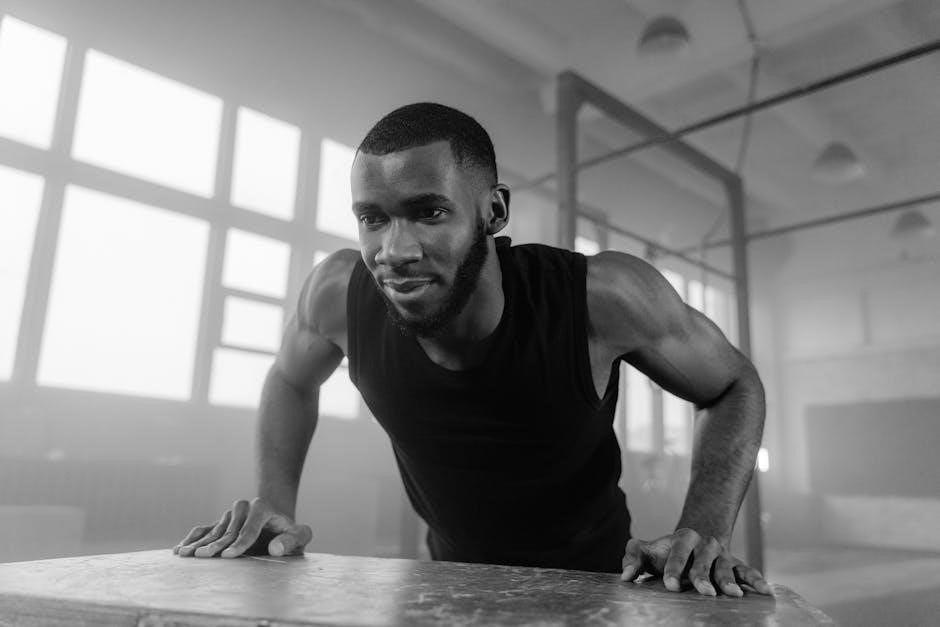
Scaling options include performing handstand push-ups against a wall for support, pike push-ups, or box handstand push-ups. Building foundational strength with easier progressions is vital before attempting freestanding handstand push-ups. Mastering the hollow body position and shoulder engagement are key components for success and injury prevention.
Muscle-Ups
Muscle-Ups represent a pinnacle of gymnastic skill in CrossFit, combining pulling strength with explosive power and transition technique. This movement involves transitioning from a hanging position to supporting yourself above the bar, requiring a coordinated effort from the back, shoulders, and arms. It’s a complex skill that demands significant practice and progression.
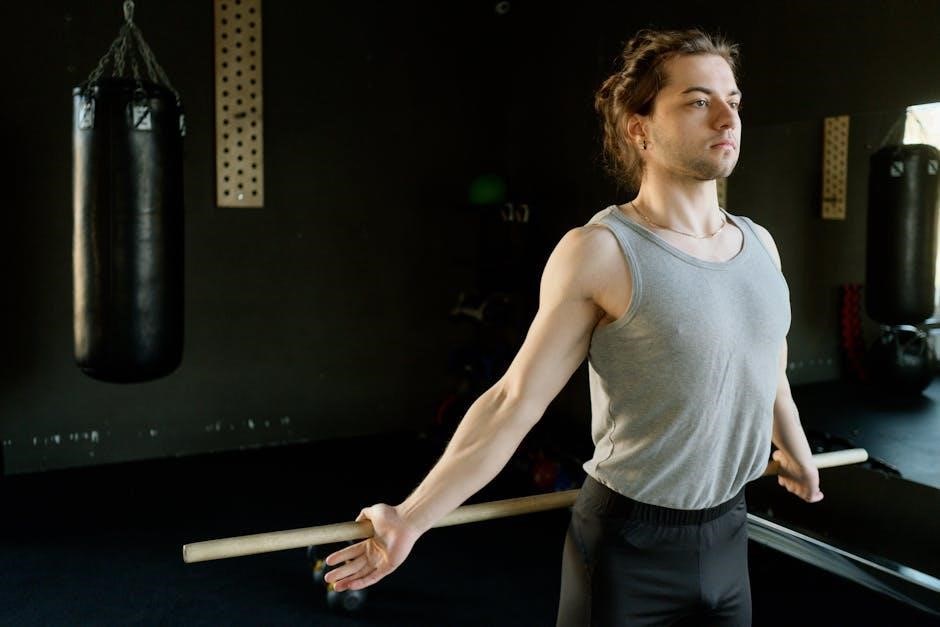
Scaling options are crucial for beginners, including strict pull-ups, kipping pull-ups, and negative muscle-ups. Focusing on building sufficient pulling strength and mastering the kipping motion are essential steps. Proper technique involves a strong kip, a quick transition, and locked-out arms at the top. Athletes should prioritize controlled movements and avoid rushing the technique to prevent injury.
Accessory & Auxiliary Movements
Accessory & Auxiliary Movements in CrossFit enhance overall fitness and address specific weaknesses, complementing foundational and Olympic lifts. These movements build strength, endurance, and improve movement quality. Wall balls, for example, build power and stamina, while box jumps develop explosive leg strength and coordination. Ring rows are a scalable upper-body pulling exercise, forming a foundation for pull-ups.
Burpees, a full-body exercise, combine cardiovascular work with strength training, increasing metabolic conditioning. These movements aren’t always glamorous, but they’re vital for well-rounded development. Mastering these exercises improves performance in more complex CrossFit WODs and reduces injury risk by strengthening supporting muscles.
Wall Balls
Wall Balls may appear deceptively simple, yet mastering their proper form is crucial for maximizing benefits within CrossFit workouts. This exercise effectively builds power, stamina, and overall functional fitness by combining a squat with an overhead throw. The movement demands coordination, lower body strength, and upper body stability, making it a full-body challenge.
Proper technique involves a full squat to target, maintaining a neutral spine, and driving through the heels. Athletes should focus on consistent range of motion and a smooth, controlled throw. For those seeking deeper understanding and technique refinement, additional resources are readily available online to elevate their wall ball performance.

Box Jumps
Box Jumps are a phenomenal plyometric exercise frequently incorporated into CrossFit workouts to develop explosive power and lower body strength. This movement challenges athletes to jump onto a sturdy box of varying heights, demanding coordination, agility, and a controlled landing; Proper form is paramount to prevent injury and maximize effectiveness.
Athletes should initiate the jump from a stable stance, driving through the hips and extending the ankles, knees, and hips simultaneously. A soft landing is essential, absorbing the impact by bending at the knees and hips. Scaling options include step-ups for beginners, while advanced athletes can explore higher box heights or continuous box jumps.
Ring Rows
Ring Rows are a versatile exercise, building upper-body pulling strength and serving as a foundational movement for more complex skills like pull-ups. Utilizing gymnastic rings, athletes position themselves under the rings and pull their chest towards them, maintaining a straight body line. This exercise is incredibly scalable, making it accessible for all fitness levels.
Adjusting body angle alters the difficulty; the more horizontal the body, the harder the exercise becomes. Ring rows effectively target the back, biceps, and forearms, promoting muscular endurance and strength. Don’t underestimate their challenge – even advanced athletes can benefit from focusing on proper form and controlled movements during ring row sets.
Burpees
Burpees are a full-body exercise notorious for their intensity, combining a squat, push-up, and jump into a single, explosive movement. Starting in a standing position, athletes drop into a squat, kick their feet back into a plank, perform a push-up, return to the squat, and finish with a vertical jump. This exercise demands significant cardiovascular endurance, muscular strength, and coordination.
Burpees are highly scalable; modifications include removing the push-up or jump to adjust difficulty. They effectively target multiple muscle groups simultaneously, making them a staple in CrossFit workouts. While challenging, burpees are incredibly efficient for building overall fitness and are often featured in high-intensity WODs, testing both strength and stamina.
Movements for Core Strength & Stability
Core strength is fundamental in CrossFit, developed through foundational movements, Olympic lifts, and single-limb exercises that challenge spinal stability under load. A strong core enhances performance and prevents injury across all movements. These exercises aren’t just about “six-pack abs”; they focus on deep stabilization and functional strength.
Plank variations, like forearm planks and side planks, build isometric strength. Russian twists engage the obliques, improving rotational power. Hollow body holds demand constant core engagement, crucial for gymnastics movements. Consistent core work translates to improved efficiency and control during complex CrossFit WODs, ensuring proper form and maximizing power output.
Plank Variations
Plank variations are a cornerstone of core development in CrossFit, building isometric strength and endurance. Starting with the standard plank – maintaining a straight line from head to heels – athletes progress to more challenging variations. Forearm planks reduce shoulder stress, while high planks increase intensity. Side planks target obliques, enhancing rotational stability.
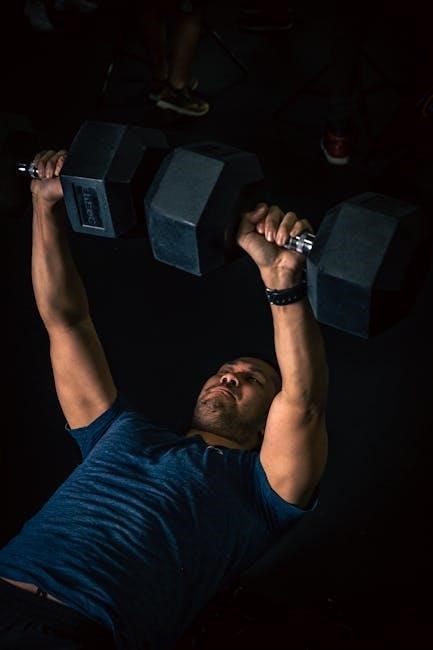
Plank jacks add a dynamic element, improving cardiovascular fitness alongside core strength. Plank with shoulder taps challenge stability and coordination. These variations aren’t merely about holding a position; they’re about actively bracing the core and resisting movement. Mastering plank variations translates to improved form and efficiency in all CrossFit movements, reducing injury risk.
Russian Twists
Russian twists are a fantastic exercise for developing rotational core strength, crucial for movements like kettlebell swings and wall balls in CrossFit. Performed seated with knees bent and feet slightly elevated, athletes twist their torso from side to side, often holding a weight for added resistance.
Maintaining a straight back and engaging the obliques are key to proper form. Beginners can start without weight, focusing on controlled movements. Progressing to dumbbells or medicine balls increases the challenge. Russian twists improve spinal stability and power transfer, enhancing performance in dynamic CrossFit workouts. They’re a scalable exercise, suitable for all fitness levels.
Hollow Body Holds
Hollow body holds are a foundational core exercise in CrossFit, building isometric strength and stability essential for gymnastics movements and efficient movement patterns. Athletes lie supine, pressing their lower back into the ground, lifting their shoulders and legs off the floor, creating a “hollow” shape.
Maintaining this position requires significant core engagement and body awareness; Beginners may start with bent knees and arms extended, gradually progressing to straight legs and arms overhead. Hollow body holds improve core control, preventing unwanted spinal extension during dynamic exercises. They are a crucial building block for more advanced skills like toes-to-bar and muscle-ups, enhancing overall athletic performance.