
Florida Commercial Driver’s License Overview
Florida’s CDL program equips drivers with the knowledge and skills needed for commercial operations. Applicants receive training on vehicle types, safety regulations, roper handling of hazardous materials. The manual outlines licensing steps, required tests, and compliance standards for all commercial drivers.

Eligibility Requirements
Applicants must hold a valid Florida noncommercial driver’s license, be at least 18 years old, and possess a clean driving record. A valid medical certificate, proof of residency, and completion of a state-approved training program are mandatory prerequisites. Also, a vision test and background check are required. OK
Minimum Age and Residency
Florida’s Commercial Driver’s License (CDL) program requires applicants to meet specific age and residency standards. The minimum age for a noncommercial license is 18, but endorsements for hazardous materials (H), passenger (P), school bus (S), and tanker (T) demand a minimum age of 21. Applicants must also be legal Florida residents at the time of application. Proof of residency can be shown with a Florida driver’s license, state ID, or a utility bill, bank statement, or lease agreement that lists the applicant’s name and Florida address. A valid Social Security number and a clean driving record are mandatory. In addition, the Department of Highway Safety and Motor Vehicles (DHSMV) requires a vision test and a medical examination to confirm physical fitness for commercial driving. Failure to meet any of these age or residency requirements results in denial of the CDL application. The residency requirement is enforced by verifying the applicant’s address against state records, ensuring that the license is issued only to bona fide Florida residents. By adhering to these age and residency standards, Florida maintains a high level of safety and accountability among its commercial drivers, protecting both the public and the commercial transportation industry. Applicants should verify the most recent age and residency requirements on the DHSMV website before applying. The DHSMV periodically updates these criteria to reflect changes in state law and safety standards. Maintaining compliance ensures that drivers can operate commercial vehicles legally and safely across Florida’s highways. Documentation be verified by DHSMV staff now.

Medical and Physical Requirements
Florida’s Commercial Driver’s License (CDL) mandates a comprehensive medical examination to ensure drivers can safely operate commercial vehicles. Applicants must submit a completed Medical Examiner’s Certificate (Form 3955), signed by a licensed physician or a certified medical examiner. The certificate verifies that the applicant meets the Department of Highway Safety and Motor Vehicles (DHSMV) standards for vision, hearing, blood pressure, heart health, and overall physical fitness. Vision must be 20/40 or better in each eye with or without corrective lenses; hearing must allow the driver to detect a 70‑decibel sound at a 5‑meter distance. Blood pressure must not exceed 180/110 mmHg. The medical examiner also evaluates the applicant’s ability to handle the physical demands of driving, including the capacity to lift, reach, and operate vehicle controls. If any medical condition could impair safe driving—such as epilepsy, diabetes, or severe musculoskeletal disorders—the examiner must provide documentation and may require a supplemental medical report. The DHSMV reserves the right to deny a CDL if the medical exam indicates a health risk. Drivers must renew their medical certificate every 24 months, or sooner if a health condition changes. The renewal process involves re‑examining vision, hearing, and overall health, ensuring continuous compliance with Florida’s safety standards. Maintaining up‑to‑date medical documentation is essential for all commercial drivers to legally operate in the state. The medical examiner must hold a valid license issued by the Florida Board of Medicine or a state‑approved alternative, and the examiner’s signature must be notarized. For drivers with a history of substance abuse, an additional drug screening is required, and the examiner must certify that the driver is drug‑free for at least 30 days prior to the exam. The DHSMV also accepts a medical report from a qualified occupational health professional if the driver is employed by a company that provides medical oversight. All medical documentation must be submitted in the DHSMV’s online portal or via mail in a sealed envelope. Failure to provide a valid medical certificate within 30 days of the application or renewal will result in a suspension of the CDL. The DHSMV periodically audits medical records to ensure ongoing compliance with federal and state regulations. All drivers must keep their medical records updated to avoid license revocation. Compliance is mandatory.
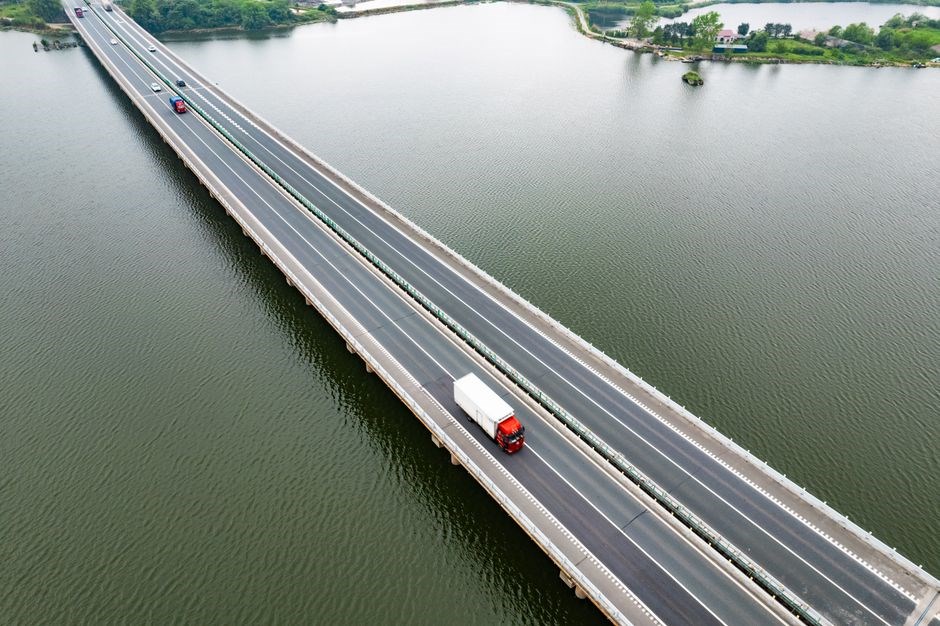
Endorsements Covered in the Florida CDL Manual
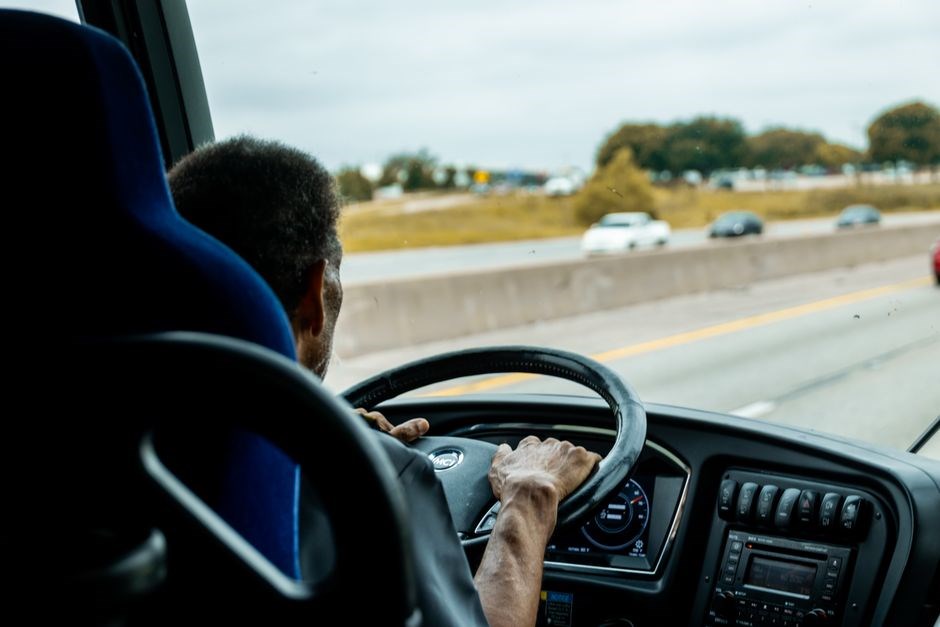
Florida’s CDL manual details four primary endorsements: Hazardous Materials (H), Passenger (P), School Bus (S), and Tanker (T). Each endorsement requires specific written tests, a skill test, and a background check. The manual outlines eligibility, training, and documentation for each type. Background checks required
Hazardous Materials (H)
To obtain the H endorsement, applicants must first hold a valid Florida CDL. They must pass a written test covering the Hazardous Materials Regulations (HMR), DOT rules, and emergency response procedures.
The test includes 40 multiple‑choice questions; a score of 70% or higher is required. After passing the written portion, candidates must complete a background check and obtain a federal Form 4475.
The endorsement is valid for 10 years, after which a refresher test is required. The manual emphasizes proper labeling, packaging, and placards on all hazardous cargo.
Drivers must understand requirements for transporting flammable liquids, explosives, and regulated substances. The H endorsement is essential for transporting hazardous materials across state lines or within Florida’s commercial freight industry.
Failure to comply with HMR can result in fines, suspension, or revocation. The manual provides checklists for pre‑trip inspections, emergency response plans, and record‑keeping obligations.

It outlines the consequences of non‑compliance, including criminal charges for negligent handling of hazardous materials. By following guidelines in the Florida CDL Manual, drivers can safely transport hazardous goods while protecting public safety.
The Florida CDL Manual also advises drivers to review federal regulations, maintain documentation, attend refresher courses to stay current with safety standards and legal obligations, and continuous learning Now! It is recommended that drivers keep a copy of the DOT safety bulletin review it before trip to ensure compliance. Stay informed and compliant daily!
Passenger (P)
Florida’s Passenger endorsement allows a driver to transport people in a vehicle that seats more than 16 passengers or a vehicle that is used fortransportation. To qualify, the applicant must hold a Florida CDL and pass a written test that covers passenger and safety, vehicle inspection, and emergency procedures. The test consists of 40 multiple‑choice questions; a score of 70% or higher is required. After passing the written portion, the driver must complete a background check and submit a federal Form 4475. The endorsement is valid for 10 years, after which a refresher test is mandatory. The manual stresses the importance of maintaining a clean driving record, adhering to DOT regulations, and following Florida’s specific rules for passenger vehicles, including seat belt usage, passenger load limits, and proper use of child restraints. Drivers must also be familiar with the Florida Highway Safety Code, the Florida Department of Transportation’s guidelines for school and public bus operations, and the requirements for transporting passengers with disabilities. The endorsement is essential for bus drivers, shuttle operators, and any commercial driver involved in transporting groups of people. Failure to comply with passenger regulations can lead to citations, license suspension or revocation. The Florida CDL Manual provides detailed checklists for pre‑trip inspections, passenger safety briefings, and emergency response plans. By adhering to these guidelines, drivers can ensure safe, legal, and efficient passenger transport across the state.
School Bus (S)
Florida’s School Bus endorsement equips drivers to safely transport students in a vehicle that seats 16 or more passengers. Applicants must possess a valid Florida CDL and pass a written test covering school bus operations, child safety, emergency procedures, and state regulations. The test consists of 40 multiple‑choice questions; a minimum score of 70% is required. After passing the written portion, drivers must complete a background check, submit a federal Form 4475, and undergo a 30‑minute road test that evaluates vehicle inspection, safe maneuvering, and passenger loading and unloading. The endorsement is valid for 10 years, after which a refresher test is mandatory. The Florida CDL Manual emphasizes strict adherence to the Florida Highway Safety Code, DOT regulations, and the Department of Transportation’s guidelines for school bus safety. Drivers must maintain a clean driving record, use proper child restraints, and follow protocols for handling emergencies such as medical incidents or vehicle breakdowns. The manual provides detailed checklists for pre‑trip inspections, seat belt usage, and communication with school officials. Failure to comply with these regulations can result in citations, license suspension, or revocation. By following the manual’s guidelines, drivers can ensure the safety of students and the integrity of Florida’s school transportation system. Additionally, drivers must be familiar with Florida’s specific rules for loading and unloading, ensuring that all students are seated safely before departure, and that the bus’s emergency exits are unobstructed at all times. The manual also outlines the importance of maintaining accurate passenger logs, reporting any incidents to the school district, and participating in annual safety drills to reinforce preparedness. Compliance with these protocols not only protects students but also upholds the reputation of the transportation service and aligns with the state’s commitment to safe, reliable public transit for all children.
Tanker (T)
Florida’s tanker endorsement is designed for drivers who transport hazardous liquids, such as gasoline, diesel, or chemicals, large vehicles. To qualify, applicants must hold a valid Florida CDL, pass the written knowledge test covering tanker operations, demonstrate proficiency in loading, unloading, and emergency response. The written exam consists of 40 questions; a score of 70% or higher is required. After passing the written portion, drivers must complete a 30‑minute road test that evaluates vehicle inspection, proper handling of tankers, and compliance with regulations. The endorsement is valid for 10 years, after which a refresher test is mandatory. Florida’s regulations emphasize the importance of maintaining the tanker’s integrity, monitoring pressure gauges, and ensuring that all safety devices are operational. Drivers must also be familiar with the Department of Transportation’s Hazardous Materials regulations, including proper labeling, placarding, and reporting of spills. The manual provides detailed checklists for pre‑trip inspections, including checking the integrity of the tank, verifying the correct type of cargo, and ensuring that the vehicle’s braking system is fully functional. In addition, drivers must be trained in emergency procedures, such as how to safely shut down a tanker in the event of a fire or leak, how to use fire extinguishers, and how to evacuate passengers or nearby workers. The manual also outlines the importance of maintaining accurate logs, reporting any incidents to the appropriate authorities, and participating in annual safety training. Compliance with these protocols not only protects the driver and the public but also upholds Florida’s commitment to safe, reliable transportation of hazardous materials. regulations.andmore

Application Process and Required Documents
Applicants seeking a Florida Commercial Driver’s License must first secure a valid non‑commercial driver’s license and a Florida resident status. The application process begins at a local Department of Highway Safety and Motor Vehicles (DHSMV) office, where the applicant submits a completed Application for Commercial Driver’s License (Form 2000), a copy of the current driver’s license, proof of identity (e.g., birth certificate or passport), and a Florida residency document (utility bill or lease agreement). A valid Social Security card or proof of legal presence is also required. The applicant must undergo a vision test, a medical examination by a licensed physician, and a drug screening test. The medical examiner must complete the Medical Examiner’s Certificate (Form 2000) and submit it to the DHSMV. After the initial paperwork, the applicant receives a temporary license and is scheduled for the written knowledge test. The DHSMV provides a study guide and access to online practice tests. Upon passing the written test, the applicant can schedule the road test, which requires a vehicle that meets safety standards and is properly registered. The applicant must bring the vehicle’s registration, proof of insurance, and a valid vehicle inspection report. The road test evaluates the applicant’s ability to safely operate a commercial vehicle, including maneuvering, braking, and handling of hazardous materials if applicable. Successful completion of the road test results in the issuance of a permanent Florida CDL, valid for ten years, after which a refresher test is mandatory. The license holder must also maintain a clean driving record and comply with all federal safety regulations. All documents must be submitted in English. soon.

Testing and Examination Requirements

Florida requires applicants to pass a written knowledge test covering federal and state regulations, followed by a skill test that evaluates vehicle handling, safety procedures, and emergency response. Successful completion grants the CDL, subject to periodic renewals. The test ensures compliance federal safety!
Written Knowledge Tests

Florida’s written knowledge test is a comprehensive assessment designed to verify that applicants possess the essential knowledge required to operate commercial vehicles safely and in compliance with federal and state regulations. The test is divided into several sections, each focusing on a distinct aspect of commercial driving. Candidates must study the Florida Commercial Driver’s License Manual, which provides detailed information on topics such as vehicle inspection, safe driving practices, hazardous materials handling, and specific rules for different vehicle classes. The manual also outlines the legal responsibilities of drivers, including the importance of adhering to speed limits, seat belt use, and proper loading techniques.
The written exam consists of multiple-choice questions that cover a broad range of subjects. These include general knowledge of commercial vehicle operation, rules of the road, and specific regulations that apply to different endorsements. For example, a passenger endorsement requires knowledge of passenger safety protocols, while a hazardous materials endorsement tests understanding of DOT regulations and emergency response procedures. Each section is timed, and the overall test duration is typically around 90 minutes, though this may vary depending on the testing center.
To prepare for the exam, applicants are encouraged to use the official study guides, take practice tests, and attend any available training sessions. The Florida Department of Highway Safety and Motor Vehicles (DHSMV) provides a list of approved testing locations and schedules. Successful completion of the written test is a prerequisite for advancing to the skill test, where practical driving abilities are evaluated. Failure to pass the written exam results in a re‑test opportunity after a mandatory waiting period. Maintaining a high score on the written test demonstrates a driver’s commitment to safety and regulatory compliance, which is essential for obtaining and retaining a Florida CDL. Additionally, the test includes a section on environmental regulations, ensuring drivers are aware of emissions standards and eco-friendly driving practices.
Skill Tests (Road Test)
The Florida Commercial Driver’s License (CDL) road test assesses a driver’s practical skills through a series of structured tasks. It begins with a pre‑trip inspection where the candidate must identify any mechanical issues, verify fluid levels, and confirm that all safety devices are operational. Following the inspection, the examiner evaluates basic control maneuvers such as starting, stopping, steering, reversing, and parking. The driver must perform a three‑point turn, a parallel parking maneuver, and a controlled stop at a designated point, all while maintaining proper vehicle positioning and safety. Once the basic control segment is complete, the test moves to the on‑road portion. This segment takes place on a designated highway or road segment and requires the driver to demonstrate safe navigation through traffic, proper lane usage, and correct application of signals. The examiner observes the driver’s ability to maintain safe following distances, execute proper turns, and respond to traffic signs and signals. For drivers holding a hazardous materials endorsement, an additional section evaluates proper loading, securing, and emergency response procedures. Successful completion of the road test confirms that the driver can operate a commercial vehicle safely in real‑world conditions, meeting all Florida and federal safety standards. The examiner also evaluates the driver’s ability to handle emergency situations, such as sudden braking, obstacle avoidance, and correct use of safety devices, ensuring the driver can maintain control under all conditions.! Ensures safe driving all.