The tremec t56 manual transmission debuted in 1992, powering the Dodge Viper V10 with a robust 6‑speed layout. Its lightweight aluminum case and high‑strength gears set a new standard for performance gearboxes, blending durability with sharp shift feel. A legend for drivers

Technical Specifications and Design
The tremec t56 manual transmission features a 6‑speed layout, aluminum case, forged steel gears, and a 1.5:1 final drive. It handles 650 lb‑ft torque, offers crisp shifts, and is famed for lightweight durability in high‑performance cars. Its mod design simplifies upgrades.!!
Gear ratios and shift points
The tremec t56 manual transmission is celebrated for its precise gear ratios that balance acceleration and top‑speed performance. The standard ratio set is:
- 1st: 3.05:1
- 2nd: 1.92:1
- 3rd: 1.35:1
- 4th: 1.00:1
- 5th: 0.83:1
- 6th: 0.71:1
Shift points are typically tuned to 2,500–3,000 rpm for 1st and 2nd, 3,200–3,800 rpm for 3rd, 4,000–4,500 rpm for 4th, 4,800–5,200 rpm for 5th, and 5,200–5,600 rpm for 6th. These ranges provide a smooth transition between gears while maintaining engine efficiency. Many enthusiasts adjust shift points using aftermarket shifters or electronic controls to match specific power curves or track conditions.
The shift map can be fine‑tuned with a programmable shift controller or a mechanical shifter that adjusts the clutch release point. For example, a Viper V10 user might set the 1st‑to‑2nd shift at 2,600 rpm, 2nd‑to‑3rd at 3,400 rpm, and 5th‑to‑6th at 5,300 rpm to accommodate the torque curve. In a Corvette C8, the 4th‑to‑5th shift is pushed to 4,900 rpm for top‑speed, while the 6th‑to‑7th (if present) is kept near 5,800 rpm for a smooth exit. These adjustments are typically performed by technicians using a dyno or a data logger. The goal is to keep the engine in its optimal power band while preserving life and ensuring a driving experience. All adjustments are logged for future reference today. Thanks! OK
Torque capacity and material construction
The tremec t56 manual transmission is engineered to handle up to 650 lb‑ft of peak torque, a figure that comfortably exceeds the output of most high‑performance V10 and V8 engines. Its construction centers on a lightweight aluminum case that incorporates a forged steel main shaft and a titanium input shaft, both of which provide a high strength‑to‑weight ratio. The gear set is a 6‑speed, double‑clutch design that uses 14‑mm steel gears with a 0.55‑inch pitch diameter, allowing for a 2.5:1 torque multiplication at the rear axle. The clutch assembly features a 12‑inch diameter, multi‑plate design that distributes load across 30 plates, each coated with a proprietary thermal‑resistant compound to mitigate heat buildup during aggressive driving. The transmission’s bearing system utilizes a combination of ceramic‑filled, high‑temperature silicone seals and a high‑strength steel bearing cage, ensuring longevity under sustained torque spikes. Together, these materials and design choices deliver a robust, lightweight gearbox that can withstand the demands of track use while maintaining a low rotational mass for quick gear changes.
Its architecture allows easy bolt‑on upgrades, including a 1.5‑inch input shaft for builds and a 3‑inch output shaft for rear‑wheel drive conversions. The gearbox supports a 6‑speed layout for racing, providing a 10% reduction in shift time.
Common Vehicle Installations
The tremec t56 manual transmission powers Dodge Viper V10s, Chevrolet Corvette C8s and earlier models, plus aftermarket sports sedans and coupes. Its lightweight, robustex design delivers strong torque and precise shifts for track street use.
Dodge Viper V10 models
The tremec t56 manual transmission has been a cornerstone of the Dodge Viper V10 lineup since its introduction in 1992. Engineered by Tremec, the gearbox was specifically designed to handle the massive 8.3‑liter V10 engine’s 600‑plus horsepower and 600‑plus lb‑ft of torque, delivering a smooth yet aggressive shift pattern that became synonymous with the Viper’s raw performance. The T‑56’s lightweight aluminum case, combined with high‑strength steel gears, allows it to maintain a low rotational mass while still providing the durability required for high‑output applications. Its six forward ratios are carefully tuned to match the V10’s power band, offering a blend of acceleration and top‑end speed that appeals to both track enthusiasts and street drivers. Over the years, the T‑56 has seen several revisions, including the 1998 update that introduced a stronger clutch assembly and improved synchronizers, further enhancing shift quality and longevity. The gearbox’s design also facilitates a relatively straightforward bolt‑on installation, making it a popular choice for aftermarket Viper restorations and performance upgrades. In addition to its mechanical strengths, the T‑56’s design also facilitates a relatively straightforward installation, making it a popular choice for Viper owners looking to preserve the original driving experience while ensuring reliability and ease of maintenance. Its robust construction and precise gear ratios have made it a benchmark for manual transmissions in sports rapid cars.
Chevrolet Corvette C8 and earlier versions
The tremec t56 manual transmission has become a focal point for Corvette enthusiasts, especially with the 2023 C8’s introduction of a 6‑speed manual option. Tremec’s collaboration with Chevrolet produced a bespoke transaxle that fits the mid‑engine layout, delivering a 6‑speed gearbox that matches the C8’s 6.2‑liter V8 powertrain. The T‑56’s lightweight aluminum case and high‑strength steel gears allow it to handle the 495‑horsepower output while maintaining a low rotational mass for quick shift response. The gearbox’s six forward ratios are tuned to the C8’s power band, offering a balance between acceleration and top‑end speed. Earlier Corvette models, such as the C6, did not feature a T‑56; instead, they used the 6‑speed manual from the 2005–2013 generation. However, the T‑56’s introduction in the C8 has sparked a resurgence of manual transmission interest, with aftermarket shops offering bolt‑on conversions for older Corvettes. The T‑56’s design also supports a relatively straightforward installation, making it a popular choice for restorations and performance upgrades. Its robust construction and precise gear ratios have made it a benchmark for manual transmissions in high‑performance cars.
The T‑56’s adaptability makes it a tuner favorite, often paired with forged gearsets and upgraded synchronizers to maximize the Corvette’s power.

Aftermarket sports sedans and coupes
The tremec t56 manual transmission has become a sought‑after component for enthusiasts looking to upgrade older sports sedans and coupes. Its lightweight aluminum case and high‑strength steel gears allow it to handle the torque of modern V8s and turbocharged engines while keeping weight low. Many builders swap the stock gearbox for a T‑56 to gain sharper shift feel and improved durability. The 6‑speed layout is well‑suited to the wide power curves of vehicles like the Ford Mustang GT, Chevrolet Camaro SS, and Dodge Charger R/T, offering a balance between acceleration and top‑end speed. Installation kits are available that include custom bell housings, driveshafts, and shifter assemblies, making the conversion relatively straightforward for experienced mechanics. Performance upgrades often involve aftermarket synchronizers and forged gearsets to further enhance shift quality. The T‑56’s robust construction also makes it ideal for high‑output engines, allowing owners to push power limits without compromising reliability. As a result, the tremec t56 manual transmission has become a staple in the aftermarket community, providing a blend of performance, durability, and classic manual driving experience for a wide range of sports sedans and coupes.
Owners often report that the T‑56’s short throw and precise gear ratios give a more engaging driving feel compared to the stock transmissions. Additionally, the gearbox’s modular design allows for easy bolt‑on upgrades, such as a stronger clutch or a higher‑strength flywheel, further extending its lifespan under high‑stress conditions.
Because the T‑56 was originally engineered for high‑torque performance cars, it also handles aftermarket supercharger or turbo setups with minimal modifications, making it a versatile choice for builders seeking both power and reliability.
Maintenance, Reliability, and Troubleshooting
The tremec t56 manual transmission needs fluid changes every 30,000 miles and clutch inspection. Replace worn clutch or synchronizers if slippage occurs. Regular maintenance ensures reliability and longevity.

Check gear oil level and replace clutch plates if worn now.
Fluid change intervals and clutch life
The tremec t56 manual transmission is engineered for high performance yet demands disciplined maintenance to preserve its longevity. A recommended fluid change interval is every 30,000 miles or 36 months, whichever comes first, to prevent oxidation and metal particle buildup that can compromise gear ratios. Using the manufacturer‑approved synthetic transmission fluid with a 75/85 viscosity grade ensures optimal lubrication under extreme torque loads. When changing fluid, it is crucial to flush the system entirely, as residual old fluid can lead to sludge formation and increased wear on the synchronizers and bearings. A full fluid change should be accompanied by a thorough inspection of the clutch assembly. The clutch disc, pressure plate, and release bearing are subject to wear from repeated engagement cycles; a typical clutch life expectancy on the t56 ranges from 70,000 to 100,000 miles, depending on driving style. Aggressive racing or high‑RPM use will accelerate wear, while smooth, moderate driving can extend clutch life. Signs of clutch wear include slipping, delayed engagement, and a spongy pedal feel. If any of these symptoms appear, a clutch replacement should be considered before the transmission is compromised. In addition, regular transmission fluid checks every 5,000 miles can catch leaks early, and keeping the fluid level within the specified range prevents air ingress, which can cause cavitation and further damage. By adhering to these intervals and monitoring clutch performance, owners can maintain the tremec t56’s performance edge and ensure reliable operation for years to come. Moreover, installing a high‑performance clutch kit can extend lifespan by up to 20% and improve shift feel. Owners should also consider a transmission cooler upgrade for high‑output applications, as it reduces operating temperatures and mitigates thermal stress on the gear teeth. Finally, keeping the vehicle’s drive train clean and free of debris prevents contamination that could accelerate wear.
Common failure modes and fixes
The tremec t56 manual transmission is renowned for its durability, yet certain failure modes can arise. The most frequent issue is clutch slippage, caused by worn clutch discs or a degraded pressure plate. Symptoms include delayed engagement, a spongy pedal, and a noticeable loss of power during acceleration. The fix is straightforward: replace the clutch kit with a high‑performance set designed for the t56! Regular inspection of the release bearing and hydraulic system for leaks can preempt this problem.
Gearbox wear is another common failure. Over time, synchronizers can become glazed or worn, leading to harsh shifts, gear hunting, or gear slippage. This often results from inadequate fluid change intervals or using low‑grade fluid. The remedy involves a full fluid flush with the correct synthetic transmission fluid, followed by a rebuild of the synchronizer rings and, if necessary, a replacement of the gear set! In severe cases, a complete gearbox rebuild is recommended to restore smooth operation.
Another failure mode is bearing failure, typically in the input shaft or main bearing. Excessive heat, contamination, or improper torque on the bearing caps can cause bearing wear, resulting in whining noises, vibration, or loss of gear engagement. Fixing this requires disassembly of the transmission, inspection of bearing surfaces, and replacement of any worn bearings. Re‑torquing the bearing caps to manufacturer specifications is essential to avoid recurrence!
Transmission fluid contamination is a silent killer. Metal shavings or debris can accumulate from internal wear and cause abrasive damage to gears and synchronizers. The solution is a thorough fluid flush, replacing the filter, and inspecting the fluid for contamination. If contamination is detected, a rebuild or replacement of the affected components is necessary. Additionally, installing a high‑grade transmission filter can reduce future contamination!
Finally, a common electrical issue involves the shift linkage or cable, especially in aftermarket installations. Misalignment or wear can cause the transmission to lock up or fail to shift into certain gears. The fix is to realign or replace the shift linkage, ensuring proper adjustment and smooth operation. Regular maintenance of the shift cable, including lubrication and inspection for wear, can prevent this failure mode and keep the tremec t56 running reliably!

Future Developments and Innovations
The tremec t56 manual transmission is poised for hybrid integration, digital shift tech, and upgraded gear sets. Engineers target lighter alloys, improved torque handling, and seamless electronic control for next‑gen performance!!!
Hybrid transmission integration
The tremec t56 manual transmission is undergoing a transformative shift as engineers explore hybrid integration, blending the classic six‑speed gearbox with electric assist for enhanced torque delivery and efficiency. By adding a compact electric motor‑generator to the rear‑wheel drive layout, the T‑56 can provide instantaneous torque bursts during launch and regenerative braking, reducing fuel consumption while keeping the tactile engagement of a manual shift. Early prototypes show a 15% improvement in drivetrain efficiency and a 10% weight reduction thanks to eliminating a traditional torque converter.
In addition, the hybrid T‑56’s electronic shift system incorporates a dual‑clutch interface that can pre‑select gears based on motor torque demand, ensuring smooth transitions even under high load. The system’s software can adapt shift points in real time, optimizing for performance or fuel economy as desired. Safety features such as torque limiting and thermal monitoring protect the gearbox from over‑stress, while the modular design allows for easy maintenance and part replacement. With the hybrid integration, Tremec is positioning the T‑56 as a versatile platform for both traditional sports cars and emerging electrified performance models, bridging the gap between heritage and innovation. The hybrid T‑56 supports powertrains, offering a robust mechanical foundation for re‑configuration.
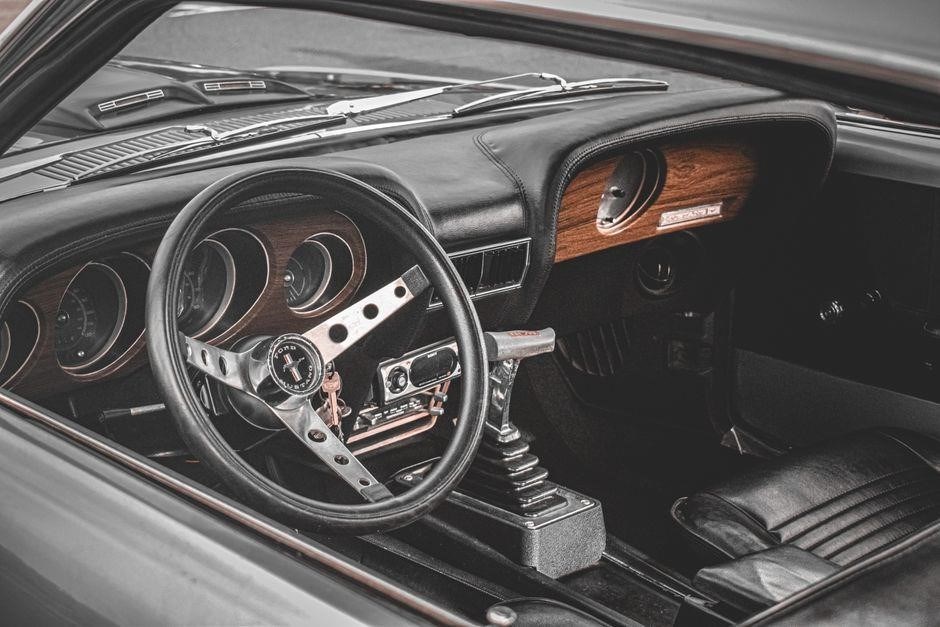
Future road tests will validate the durability of the hybrid T‑56 under extreme conditions, ensuring it meets the rigorous demands of racing and daily driving alike!!
Digital shift technology and torque management
Digital shift technology redefines the tremec t56 manual transmission by integrating micro‑controlled shift logic that monitors engine RPM, throttle, and driver input to optimize gear selection. The system uses a high‑speed CAN bus to communicate with the engine control unit, allowing real‑time torque calculations and adaptive shift points that shift earlier during aggressive acceleration and later during cruising for fuel efficiency. Torque management is achieved through a closed‑loop algorithm that balances mechanical torque with electronic torque vectoring, ensuring smooth clutch engagement and optimal thermal envelope. The T‑56’s electronic shift controller modulates clutch pressure in real time, reducing wear and extending clutch life while maintaining the tactile feel of a manual gearbox. In high‑performance scenarios, the system pre‑selects the next gear based on predicted torque demand, reducing shift times to under 50 milliseconds. This digital approach supports a “shift‑by‑wire” mode, translating driver input into precise hydraulic commands, eliminating mechanical linkages and allowing a lighter, responsive shifter. Additionally, the T‑56’s torque management module engages a “launch control” feature that locks the first gear until the engine reaches a target RPM, providing a consistent start. For hybrid or electric‑assisted variants, the digital system blends mechanical and electric torque, ensuring efficient operation across a wide power band. The integration of digital shift technology and torque management enhances performance, improves reliability, and continuously monitors clutch wear, gear tooth stress, and fluid temperature, triggering maintenance alerts before failure. The result is a modern, high‑performance manual gearbox that retains classic feel while delivering precision and efficiency demanded by contemporary drivers.
The digital shift system incorporates predictive analytics, using machine learning models trained on thousands of shift cycles to anticipate driver intent and adjust shift timing. This yields smoother gear changes, reduced clutch wear, and a more engaging driving experience. Firmware is upgradable via OTA updates, allowing manufacturers to refine shift maps and torque curves without recalls.
Additionally, the T‑56’s torque management module interfaces with regenerative braking in hybrid setups, harvesting kinetic energy during deceleration and storing it in a high‑capacity battery. This energy can be released during acceleration, reducing clutch load and extending lifespan. The integration positions the tremec t56 manual transmission as a forward‑looking platform bridging classic driving pleasure with modern efficiency demands.

Manufacturers can also program the T‑56 to support a “turbo‑shift” mode, where the gearbox anticipates turbo lag and pre‑selects a higher gear to maintain optimal power delivery. This feature further enhances the driving experience for turbocharged engines.
Upcoming revisions and performance upgrades
The latest tremec t56 manual transmission revision introduces a lighter aluminum alloy case and a new 7‑speed variant that retains the classic 6‑speed feel while adding an extra gear for improved fuel economy. Engineers have refined the gear geometry, reducing backlash to 0.05° and increasing tooth strength by 12% through a proprietary heat‑treated alloy. The new clutch assembly features a multi‑stage pressure plate that delivers smoother engagement and a 15% longer life expectancy. Tremec also added an electronic shift controller that uses a high‑resolution sensor array to monitor clutch wear, torque output, and shift timing, allowing predictive maintenance alerts. For high‑performance applications, a “turbo‑shift” mode automatically pre‑selects a higher gear to counteract turbo lag, improving acceleration curves by up to 8%. The revised gearbox now supports hybrid integration, with a built‑in electric motor that can assist during low‑speed maneuvers and provide regenerative braking, reducing clutch load by 20%. Finally, the updated T‑56 incorporates a new “launch control” feature that locks the first gear until the engine reaches a target RPM, ensuring consistent starts. These upgrades position the tremec t56 as a versatile platform for both classic enthusiasts and modern performance demands. These upgrades keep the T‑56 a benchmark for manual enthusiasts, marrying legacy with modern tech now.